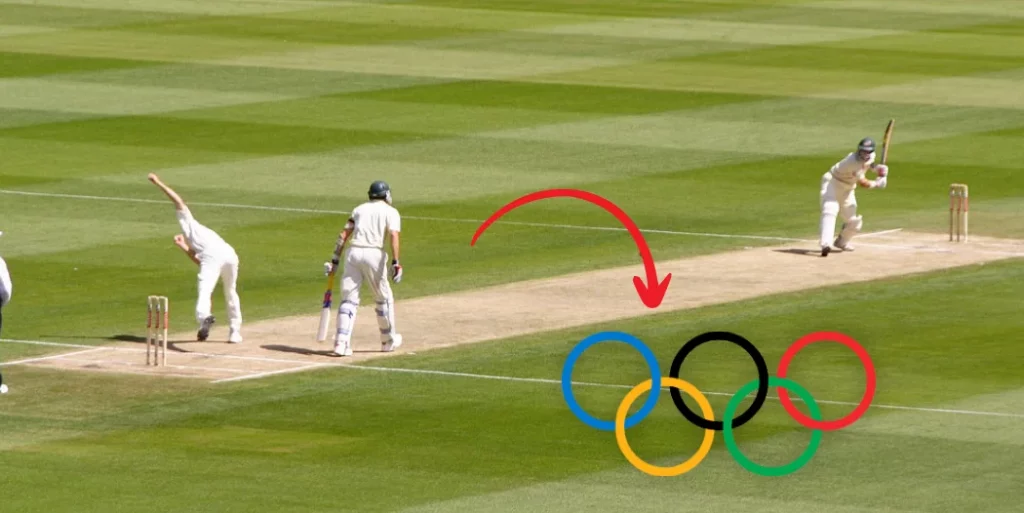
Cricket is one of the most popular sports in the world with billions of fans. Yet for 128 years it stayed out of the biggest sporting event on earth. Many fans still ask why cricket is not in Olympics.
The sport has its own massive tournaments, leagues and bilateral series. But the Olympic stage was always missing from cricket’s journey. This gap between cricket and olympics has confused fans for generations.
The reasons behind why cricket is not in Olympics are not simple. It goes beyond just match length or money. Board politics, global reach and infrastructure all played a role in keeping cricket in Olympic games a distant dream for so long.
But things are finally changing. Cricket in olympics 2028 is now officially confirmed. Before we look at what comes next it is important to understand why this moment took over a century to arrive.
Was Cricket Ever Played in the Olympics?
Yes, cricket was played in the Olympics but only once. It appeared at the 1900 Paris Olympics where just two teams competed. Great Britain defeated France in the only official Olympic cricket match ever played.
After that single appearance cricket was removed from the Olympic program. No formal explanation was given but low participation and lack of global interest were the main reasons the sport did not return for over a century.
This one match is all that connects cricket and olympics in official history. It shows how early the sport had its chance but failed to meet the global standards the Olympic movement required.
Why Cricket Stayed Out of the Olympics for 128 Years?
Lack of Global Participation
Cricket in the Olympic games requires worldwide participation. But cricket was only popular in a small group of countries. Nations like India, England, Australia and South Africa dominated the sport while most of the world had no cricket culture at all.
- Only 12 full ICC members played top-level cricket
- Most Olympic nations had no cricket infrastructure
- The IOC requires broad global participation for sport inclusion
Long Match Duration
Cricket’s traditional formats are far too long for the Olympics. A Test Cricket match lasts five days and an ODI takes up to eight hours. Fitting why cricket is not in Olympics into a two week Olympic schedule was nearly impossible.
- Test matches last up to 5 days
- ODIs take 6 to 8 hours to complete
- Olympic sports need to finish in a few hours
Busy International Cricket Calendar
Cricket boards pack the calendar with bilateral series and leagues all year round. This leaves almost no window for an Olympic tournament. National boards were simply not willing to pause their competitions for the Olympics.
- IPL, BBL and other leagues dominate the calendar
- Bilateral series are booked months in advance
- No gap exists to host an Olympic T20 cricket tournament
Opposition from Major Boards
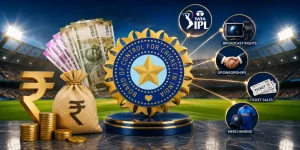
The biggest reason why cricket is not in the Olympics was resistance from powerful boards. The Board of Control for Cricket in India (BCCI) strongly opposed Olympic inclusion fearing a loss of control over broadcasting rights and revenue.
- BCCI opposed ICC joining the Olympic movement
- Major boards did not want IOC oversight
- Revenue and broadcast rights were key concerns
Infrastructure and Venue Challenges
Cricket needs large dedicated stadiums with specialized pitches and outfields. Most Olympic host cities do not have such venues and building temporary ones is expensive and complicated. This made it very hard for the Olympics committee to include cricket.
- Olympic host cities rarely have cricket venues
- Pitches take weeks to prepare and maintain
- Temporary stadium construction costs are very high
Why Cricket Is Returning to the Olympics in 2028?
The ICC officially confirmed that cricket in olympics 2028 will take place at the Los Angeles Games. The T20 format made this possible as it fits perfectly into the two week Olympic schedule and appeals to a global audience.
Los Angeles was the right choice. The city has a large South Asian population and strong commercial interest in cricket. The IOC saw real potential and the ICC agreed to work within the Olympic framework after years of negotiation.
This one match is all that connects cricket and Olympics in official history. It raises the core question of why cricket is not in Olympics and shows how early the sport had its chance but failed to meet the global standards the Olympic movement required.
How Cricket’s Olympic Return Can Change the Sport?
Infrastructure and Funding Boost
Olympic inclusion brings IOC funding to cricket boards in smaller nations. Countries without proper facilities can now build grounds and academies helping grow cricket across Europe, Africa and the Americas.
- Smaller nations get IOC development grants
- New cricket academies can open in non-cricket countries
- Government sports budgets can now include cricket
Structural and Administrative Changes
For cricket in olympics to work the ICC must align with IOC standards. This means more transparent governance, anti-doping rules and athlete welfare policies. These structural reforms will make cricket a more professional and globally accepted sport.
- ICC must follow IOC anti-doping protocols
- Better governance and transparency required
- Athlete-first policies will become a priority
Focus on the T20 Format
The Olympics will put T20 cricket at center stage attracting younger audiences and new fans globally. Broadcasters will invest more and production quality including broadcasting camera setups will improve to meet Olympic standards.
- T20 matches finish in about 3 hours
- Young global audiences prefer faster formats
- Olympic coverage brings billions of new viewers
A New Era of Collaboration
The Olympic return marks a new chapter where the ICC and IOC work together. Boards that once opposed inclusion are now on board pushing cricket and olympics into a long-term relationship that benefits the sport globally.
- ICC and IOC sign long-term agreements
- National boards collaborate on player availability
- Cricket enters a sustainable Olympic cycle
Conclusion
Why cricket is not in Olympics for 128 years comes down to global reach issues, long formats, board politics and venue challenges. But that long wait is finally over and a new chapter has begun.
Host cities investing in proper Cricket Stadiums and world class venues will play a key role in making cricket in Olympic games a long term success starting from Los Angeles 2028.
With the T20 format, global collaboration and new funding, why cricket is not in Olympics will soon be a question of the past. The future of cricket on the world stage is finally here.