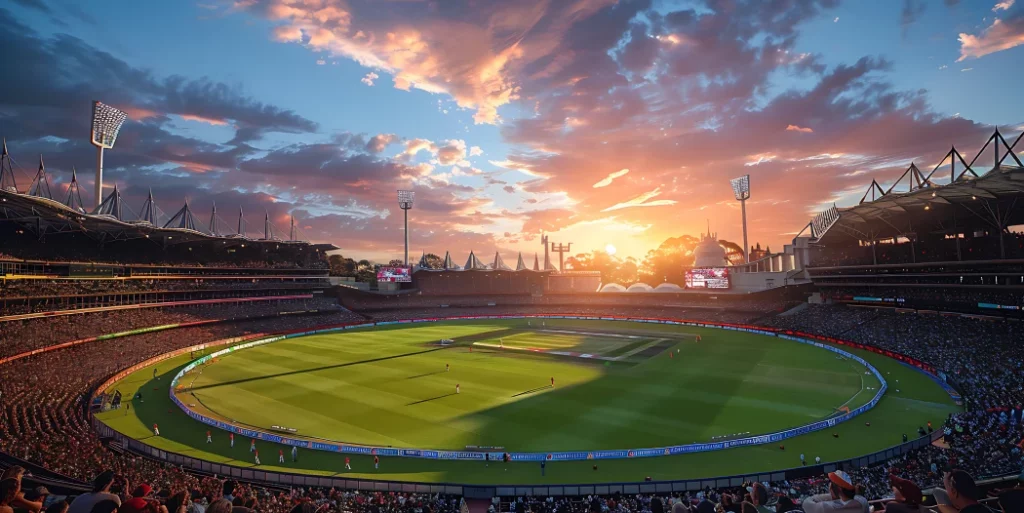
For cricket fans, visiting the world’s largest cricket stadium is a special experience. The huge stands and loud cheers after a big hit make it unforgettable. From old stadiums in Australia to modern ones in India, these grounds have shaped cricket history.
We focus on the largest cricket stadiums in the world based on seating capacity. These stadiums hold huge crowds and create an exciting match atmosphere. Many of them also host major international events listed in the ICC T20 World Cup.
What Makes a Stadium One of the Largest?
- Seating Capacity: The most important factor is how many spectators the stadium can safely hold. Global rankings mainly depend on the total number of seats.
- Strong Financial Support: Large stadiums need heavy investment for construction and maintenance. This is why they are usually built in countries with strong and well-funded cricket boards.
- Modern Infrastructure: Big stadiums are equipped with advanced floodlights, proper drainage systems, comfortable seating, and hospitality areas to improve the overall fan experience.
Top 10 Largest Cricket Stadiums in the World
Below is a complete table of the Top 10 Largest Cricket Stadiums in the World, ranked by seating capacity. It shows the biggest cricket stadium by capacity and includes details like location, ownership, and home teams for quick and easy comparison.
| Rank | Stadium Name | Location | Capacity | Owner | Home Teams |
|---|---|---|---|---|---|
| 1 | Narendra Modi Stadium | Ahmedabad, Gujarat, India | 132,000 | Gujarat Cricket Association | Gujarat Titans, Team India |
| 2 | Melbourne Cricket Ground (MCG) | Melbourne, Victoria | 100,024 | Melbourne Cricket Club | Australia |
| 3 | Eden Gardens | Kolkata, West Bengal, India | 68,000 | Cricket Association of Bengal | Team India, Kolkata Knight Riders |
| 4 | Shaheed Veer Narayan Singh Int’l Stadium | Raipur, Chhattisgarh, India | 65,000 | Chhattisgarh State Cricket Sangh | None (occasionally hosts matches) |
| 5 | Perth Stadium (Optus Stadium) | Perth, Western Australia | 61,266 | Western Australian Government | Perth Scorchers, Team Australia |
| 6 | Rajiv Gandhi Int’l Cricket Stadium | Hyderabad, Telangana, India | 55,000 | Hyderabad Cricket Association | Sunrisers Hyderabad, Team India |
| 7 | Adelaide Oval | Adelaide, South Australia | 53,583 | South Australian Cricket Association | Adelaide Strikers, Team Australia |
| 8 | Greenfield International Stadium | Thiruvananthapuram, Kerala, India | 50,000 | Kerala Cricket Association | Team India |
| 9 | Sydney Cricket Ground (SCG) | Sydney, New South Wales | 48,601 | Sydney Cricket Ground Trust | Sydney Sixers, Team Australia |
| 10 | Ekana Cricket Stadium | Lucknow, Uttar Pradesh, India | 50,000 | Uttar Pradesh Cricket Association | Lucknow Super Giants, Team India |
1. Narendra Modi Stadium- Ahmedabad, India (2020)
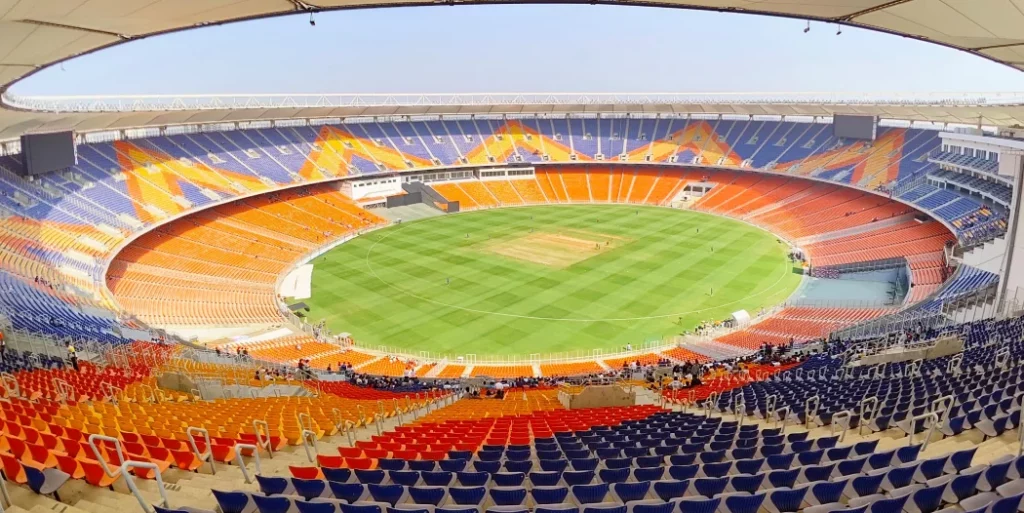
Located in Ahmedabad, Gujarat, Narendra Modi Stadium is the largest cricket stadium in the world. Owned by the Gujarat Cricket Association, it was built on the site of the former Motera Stadium and opened in 2021 with a capacity of over 1.3 lakh spectators.
It is the home ground of the Indian national team and Gujarat Titans. Known as the world’s largest stadium in cricket, it features pillar-free seating, modern LED lighting, and the ability to host major finals across different Types of cricket matches. Fans eagerly wait to see new players perform on this massive and iconic stage..
2. Melbourne Cricket Ground – Melbourne, Australia (1853)
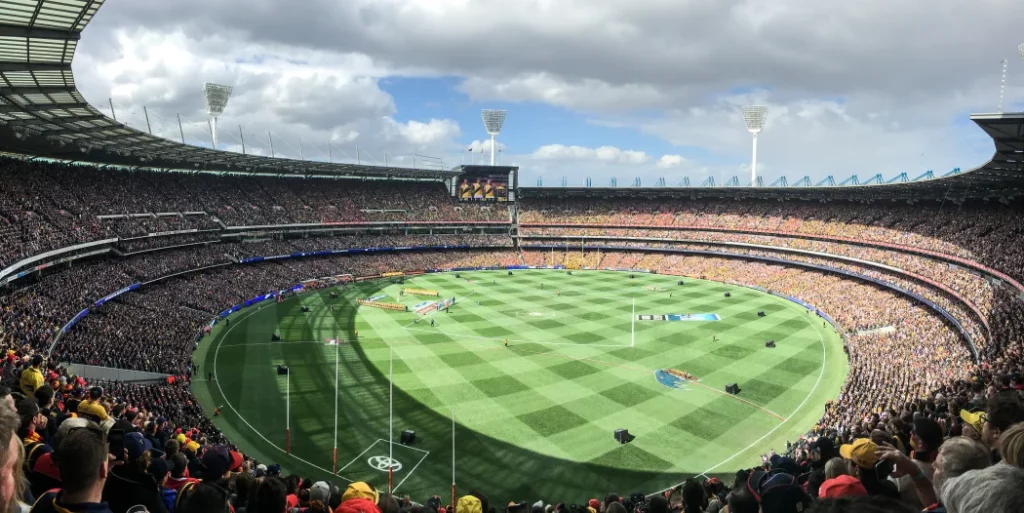
Situated in Melbourne, the MCG is owned by the Victorian Government and managed by the Melbourne Cricket Club. With a seating capacity of over 100,000, it remains the largest cricket stadium in the Southern Hemisphere.
The venue hosted the first Test match in 1877 and is famous for the Boxing Day Test. It has also played an important role in women’s cricket history, hosting several memorable international matches.
3. Eden Gardens – Kolkata, India (1864)
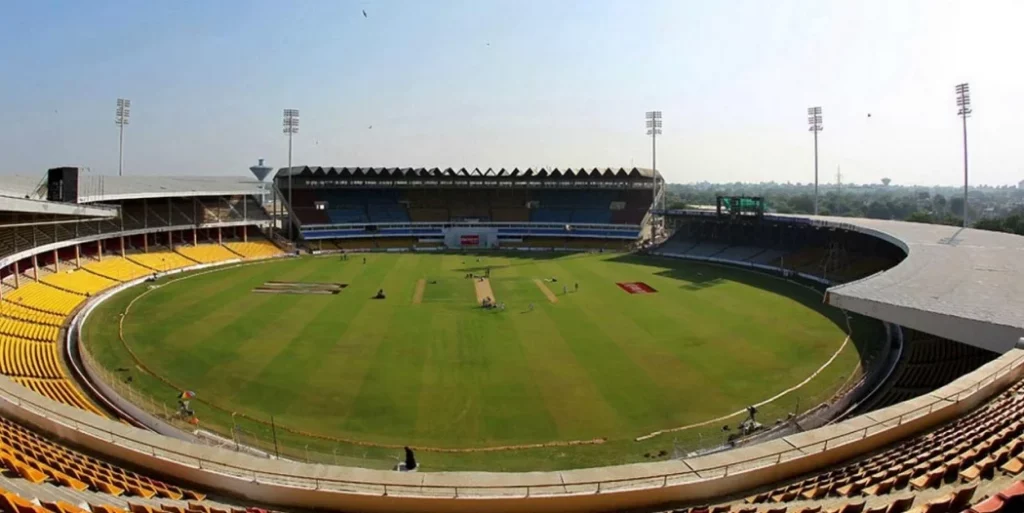
Eden Gardens is located in Kolkata, West Bengal, and is owned by the Cricket Association of Bengal. It can seat around 68,000 spectators after renovation, but the noise level often feels much higher.
It is the home ground of Kolkata Knight Riders and is known for its passionate crowd. The stadium has witnessed historic performances in both international and IPL cricket, with its iconic cricket pitch often playing a key role in memorable matches, making it one of India’s most iconic venues.
4. Shaheed Veer Narayan Singh International Stadium – Raipur, India (2008)
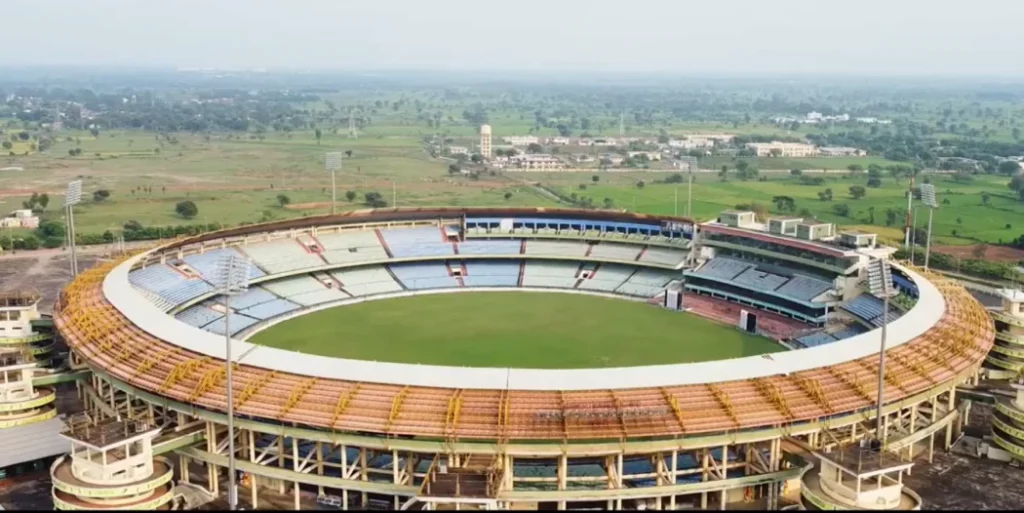
This stadium is located in Raipur, Chhattisgarh, and is owned by the Chhattisgarh State Cricket Sangh. With a capacity of about 65,000, it is one of the largest stadiums used mainly for domestic cricket.
While it hosts fewer international matches, the stadium stands out for its modern design and clear sightlines. It plays an important role in bringing top-level cricket to central India.
5. Perth Stadium (Optus Stadium) – Perth, Australia (2018)
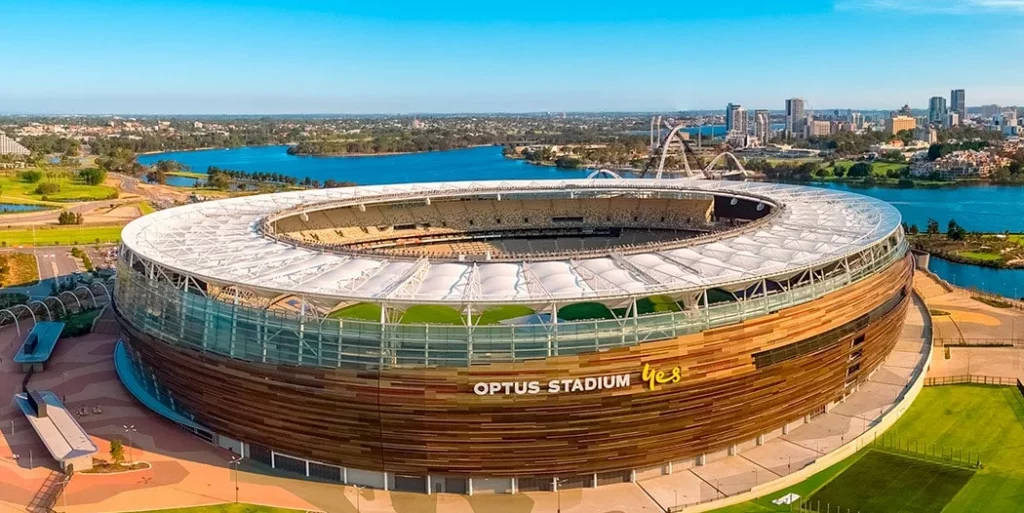
Optus Stadium is located in Perth and is owned by the Government of Western Australia. It replaced the old WACA ground and has a capacity of over 61,000 spectators.
The stadium is the home ground of the Perth Scorchers and is known for its modern lighting and fast playing surface. It regularly hosts big matches and offers a great experience for both players and fans.
6. Rajiv Gandhi International Cricket Stadium – Hyderabad, India (2003)
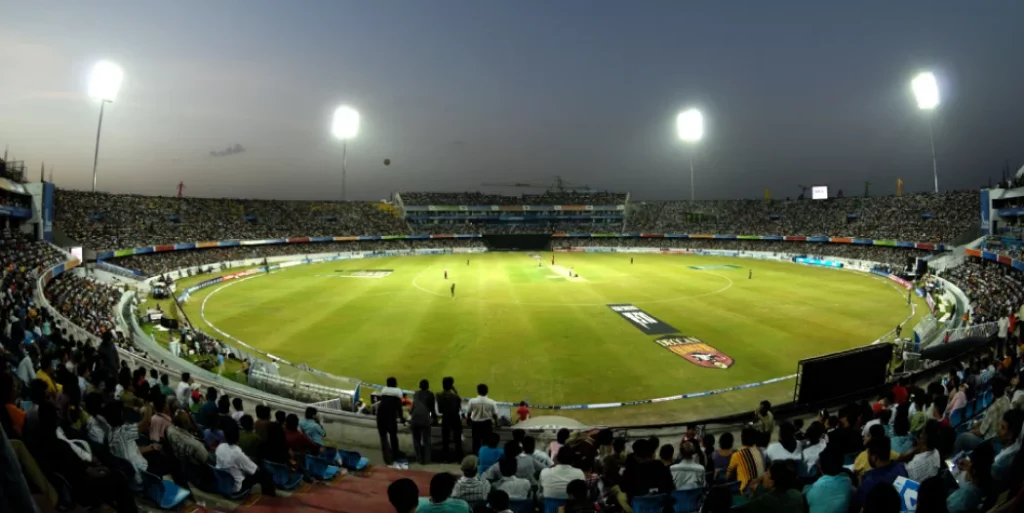
Located in Uppal, Hyderabad, this stadium is owned by the Hyderabad Cricket Association and can host more than 55,000 spectators. It is well known for its batting-friendly pitches, which often lead to high-scoring matches.
As the home ground of Sunrisers Hyderabad, the venue regularly attracts large crowds during IPL games. Packed stands and energetic fans make it one of the most lively cricket stadiums in India.
7. Adelaide Oval – Adelaide, Australia (1871)
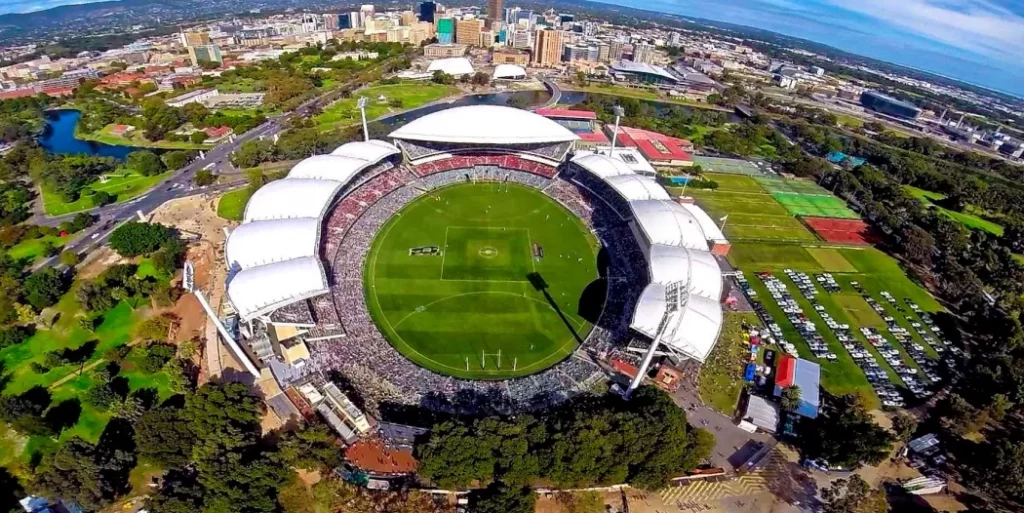
Adelaide Oval is located in South Australia and is jointly owned by the South Australian Government and the South Australian Cricket Association. After redevelopment, it now has a seating capacity of over 53,000 spectators.
The stadium is known for its scenic grassy hill and historic scoreboard. It is a popular venue for day-night Test matches and offers a perfect mix of modern facilities and traditional charm.
8. Greenfield International Stadium – Thiruvananthapuram, India (2015)
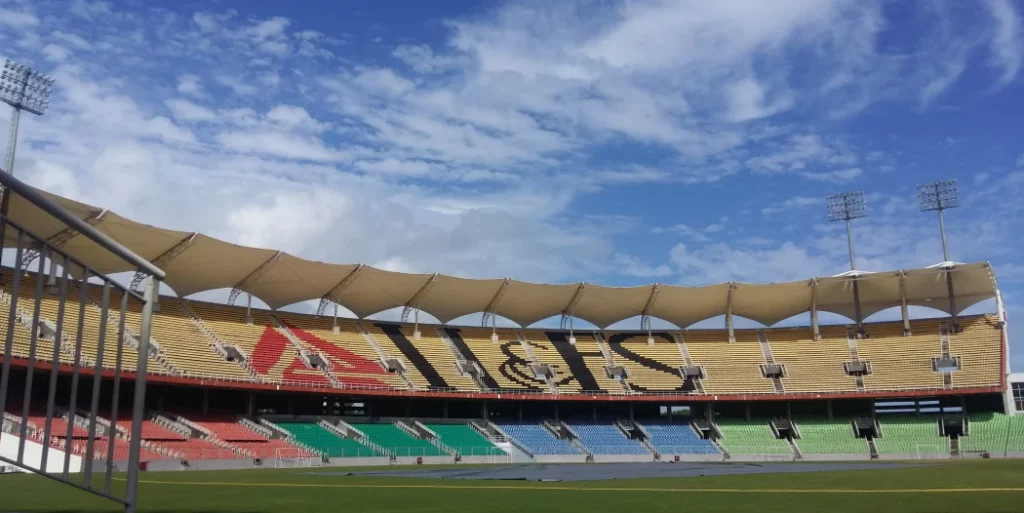
Situated in Thiruvananthapuram, Kerala, this stadium is owned by the Government of Kerala. It has a seating capacity of around 50,000 and is a multi-purpose sports complex.
What sets it apart is its eco-friendly design the first of its kind in India. Despite weather challenges, the stadium is known for enthusiastic local support during international matches.
9. Sydney Cricket Ground – Sydney, Australia (1848)
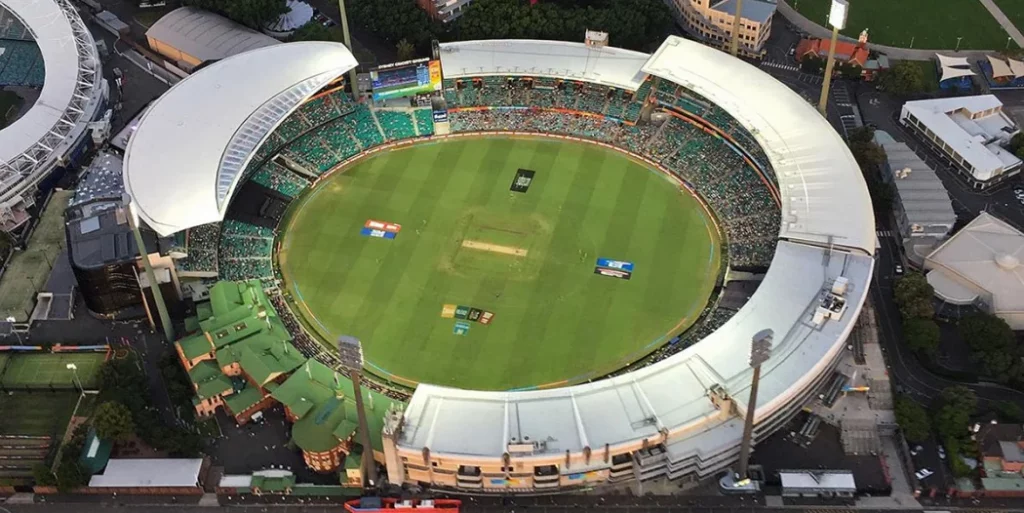
The Sydney Cricket Ground is located in New South Wales and is owned by the Sydney Cricket Ground Trust. With a capacity of nearly 49,000, it is one of the oldest cricket venues in the world.
The pitch often assists spin bowlers, and high-pressure games here have led to dismissals commonly discussed under Types of Duck.
10. Ekana Cricket Stadium – Lucknow, India (2017)
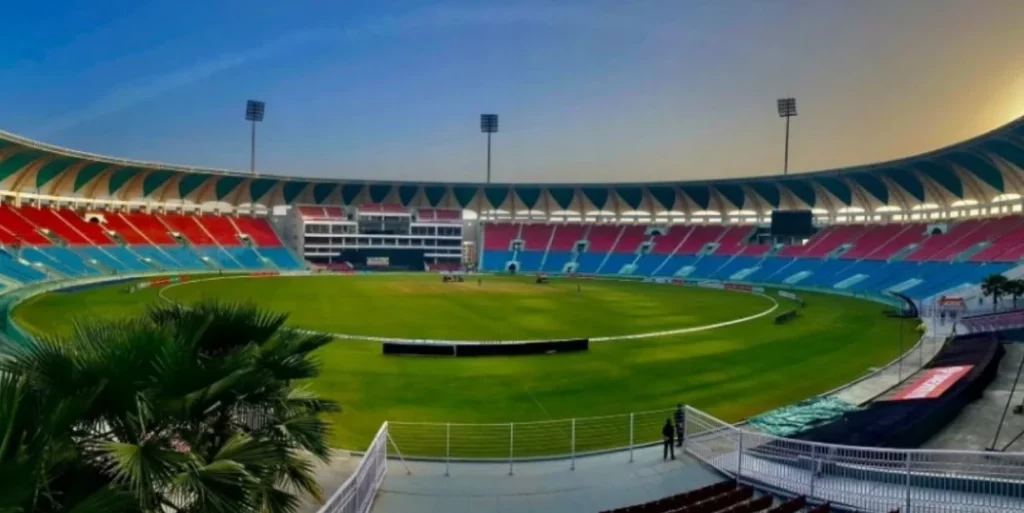
Ekana Cricket Stadium is located in Lucknow, Uttar Pradesh, and is owned by the Ekana Sports City Group. It has a seating capacity of around 50,000 and features modern facilities.
Home to the Lucknow Super Giants, the pitch usually supports bowlers, especially spinners. Because of these conditions, extremely high-cost bowling spells are rarely seen at this venue.
Conclusion
The rise of large cricket stadiums shows how much the sport has grown around the world. From the historic Melbourne Cricket Ground to the modern Narendra Modi Stadium, the world’s largest cricket stadium highlights the importance of these iconic venues.
These stadiums are designed to increase excitement, making every run, wicket, and boundary feel special. Modern layouts also give fans clear views, better comfort, and an improved match-day experience.
Technology like LED stumps has improved the viewing experience, but it is the passionate crowd that truly brings these massive stadiums to life