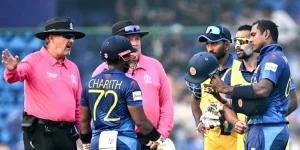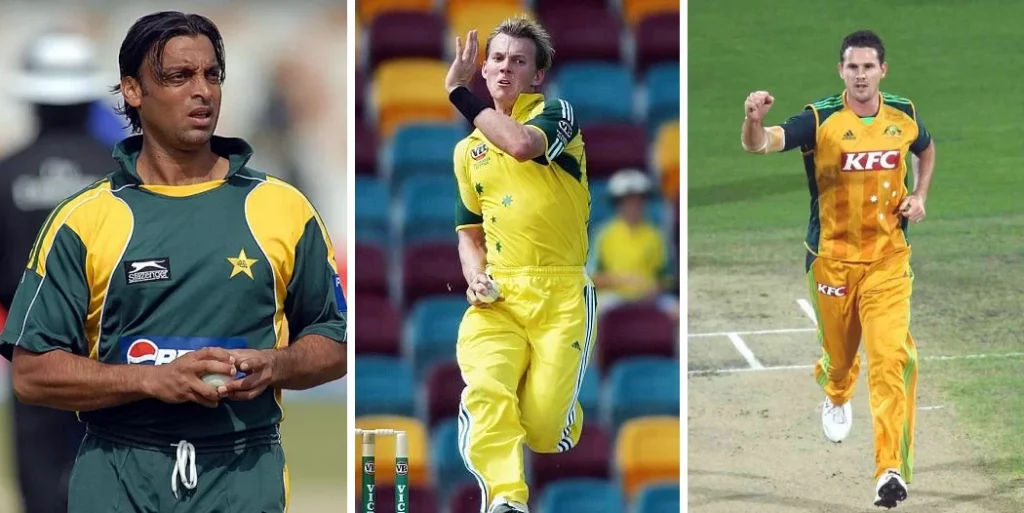
Bowling at high speed is not always easy. Without accuracy, speed can lead to moments like the expensive spell in ipl, where runs come quickly. Still, fast bowling remains one of the most powerful weapons in cricket.
In this article, we will understand what fast bowling really means and learn about the 8 fastest bowlers who created history with their express pace.
What Is Fast Bowling in Cricket?
Fast bowling in cricket means bowling the ball at very high speed. Usually, a bowler is called fast when he bowls above 140 km/h. Bowlers who regularly cross this speed are known as genuine fast bowlers.
When a bowler bowls faster than 150 km/h, it is considered extreme pace. Very few players in cricket history have been able to reach this level. Such speed makes batting very difficult for the batsman.
Fast bowling is not only about speed. It also depends on rhythm, accuracy, bounce, and movement. These skills help a fast bowler trouble batsmen consistently.
Match conditions also matter in fast bowling. Some Cricket Stadiums have hard pitches that give extra bounce and pace. On slower pitches, fast bowlers need more control and smart bowling.
List of the Fastest Bowlers in Cricket History
Shoaib Akhtar
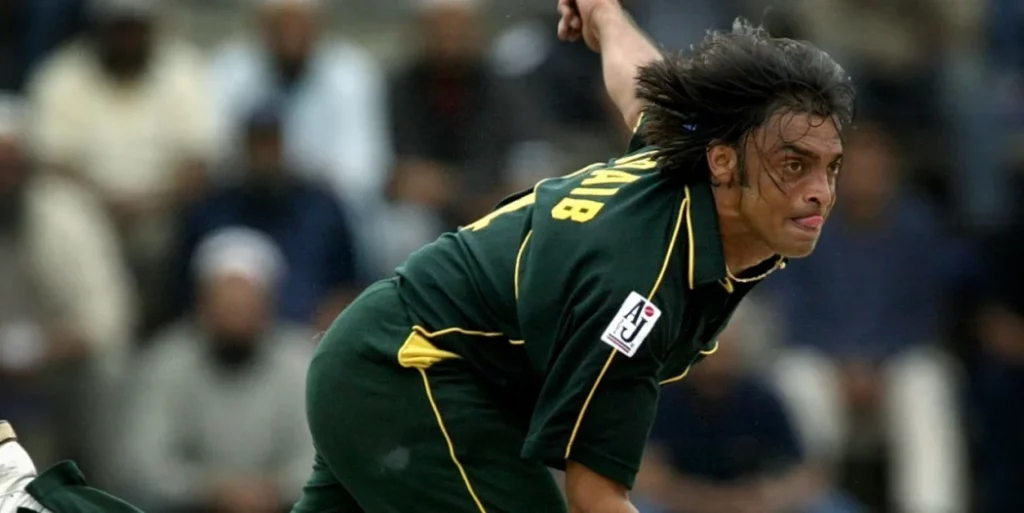
Bowling Speed: 161.3 km/h (fastest ball in cricket)
Tournament: England, 2003
Shoaib Akhtar is known as the fastest bowler the game has ever seen. His extreme pace and aggressive attitude made him one of the most feared bowlers in world cricket.
Batsmen often struggled against his speed and bounce. His record delivery remains a historic moment in cricket.
Brett Lee

Bowling Speed: 161.1 km/h
Tournament: New Zealand, 2005
Brett Lee was known for his raw pace and aggressive fast bowling. His speed and accuracy made him a major threat to batsmen in all formats of the game.
Batsmen found it difficult to handle his pace and movement. His fast spells played a big role in Australia’s success.
Shaun Tait
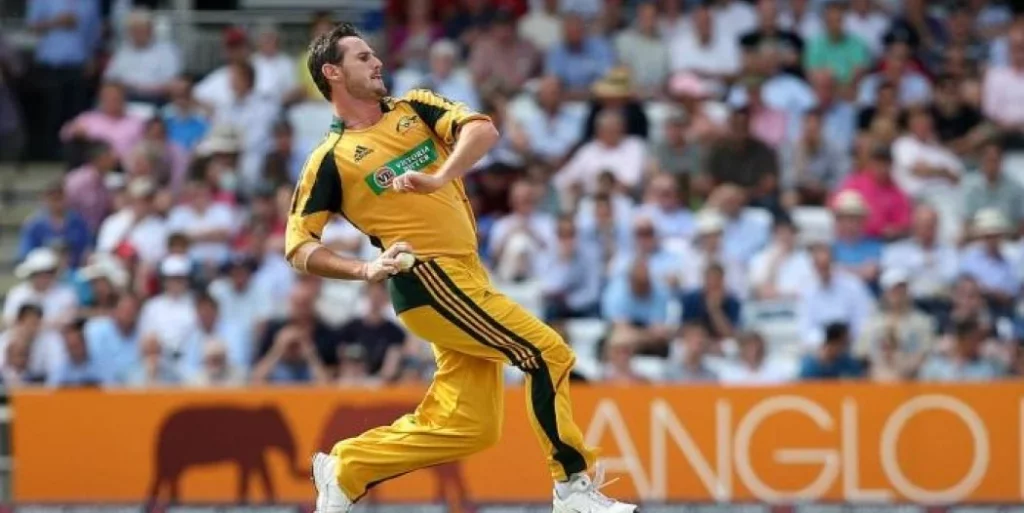
Bowling Speed: 161.1 km/h
Tournament: England, 2010
Shaun Tait was famous for his pure speed and powerful bowling action. His short spells of fast bowling were very hard for batsmen to face.
Batsmen often struggled against his raw pace. His speed made him one of the quickest bowlers of his time.
Jeff Thomson
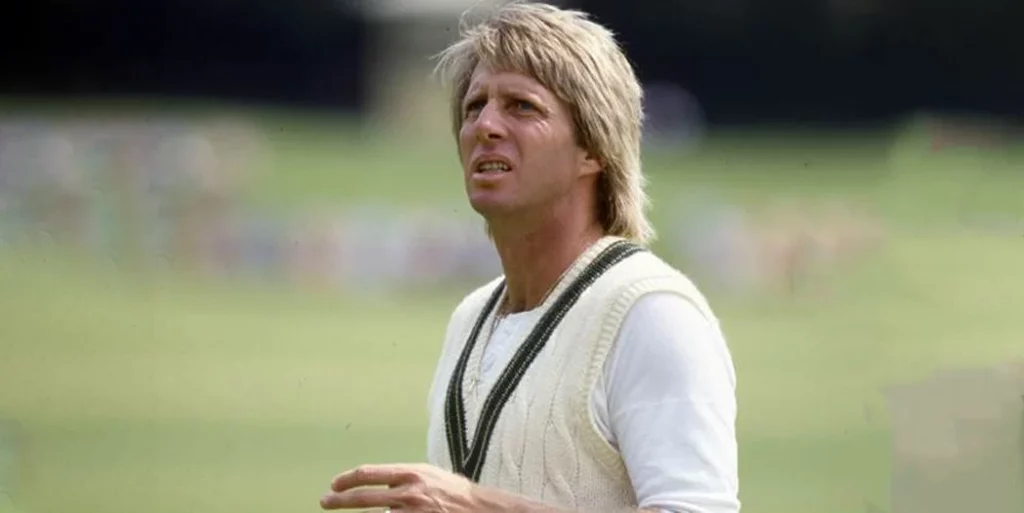
Bowling Speed: 160.6 km/h
Tournament: Fast Bowling Study, 1975
Jeff Thomson was one of the most feared bowlers of his era. His unique bowling action and extreme pace made batting very uncomfortable.
Many great batsmen struggled against his speed. His fast bowling left a lasting impact on cricket history.
Mitchell Starc
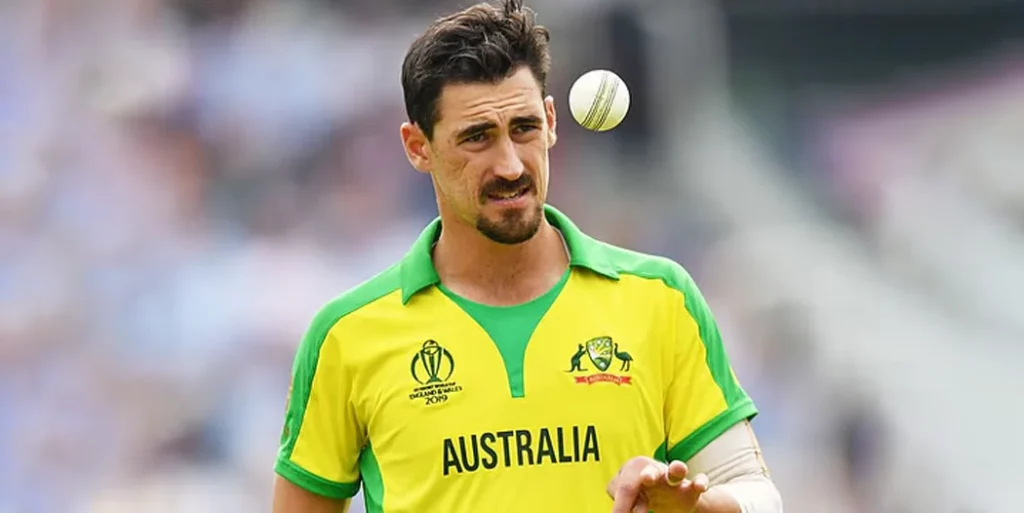
Bowling Speed: 160.4 km/h
Tournament: New Zealand, 2015
Mitchell Starc is known for combining high pace with swing and accuracy. His fast bowling makes him dangerous in all conditions and formats. The way he uses the Types of cricket balls to get movement adds extra threat for batsmen.
Batsmen often find it hard to read his deliveries. His speed and control make him a key modern fast bowler.
Andy Roberts
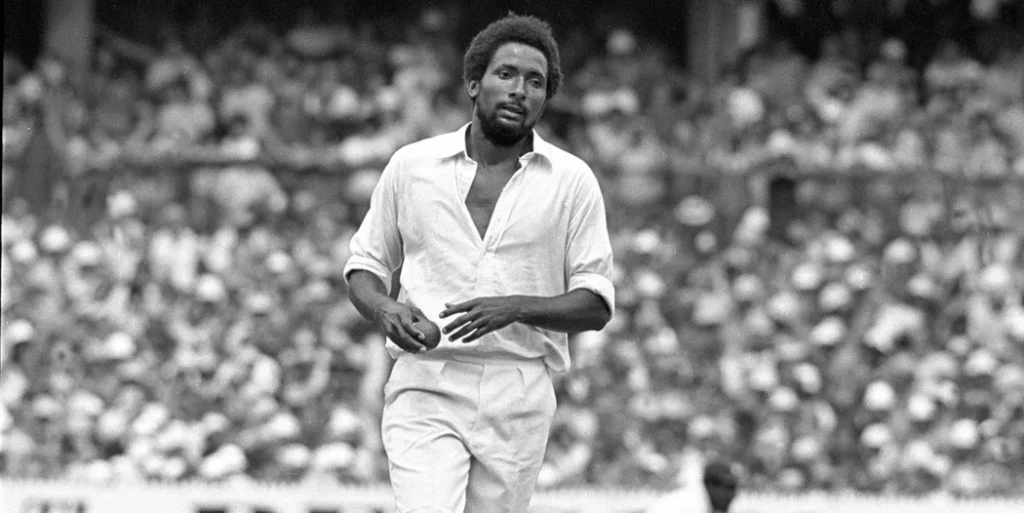
Bowling Speed: 159.5 km/h
Tournament: Australia, 1975
Andy Roberts was known for his smart and aggressive fast bowling. He used pace and variation to trouble batsmen consistently.
Batsmen struggled to settle against his bowling. His influence helped shape fast bowling in world cricket.
Fidel Edwards
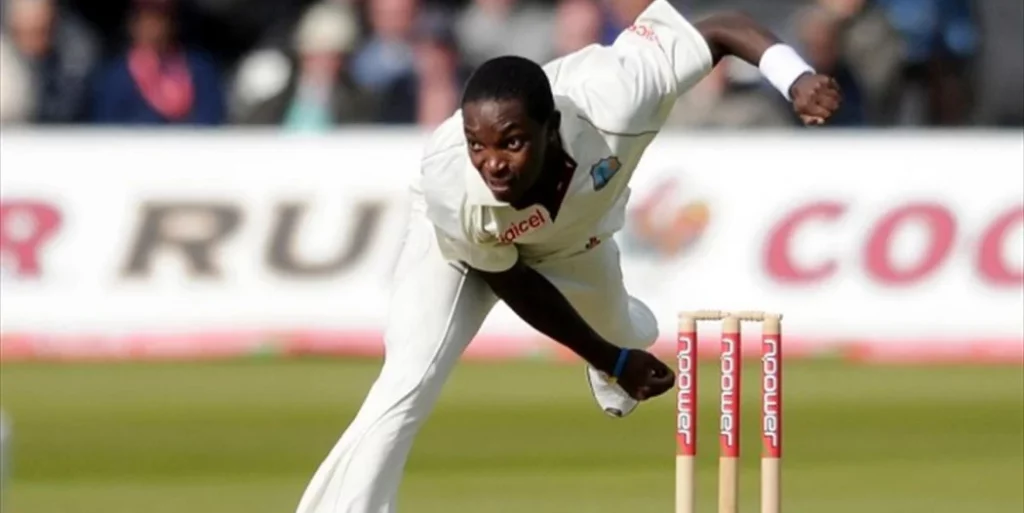
Bowling Speed: 157.7 km/h
Tournament: South Africa, 2003
Fidel Edwards was famous for his slingy action and sharp pace. His bounce and speed made batting uncomfortable for many players.
Batsmen often struggled against his pace. At his best, he was very difficult to face and could change the game with just a few overs.
Mitchell Johnson
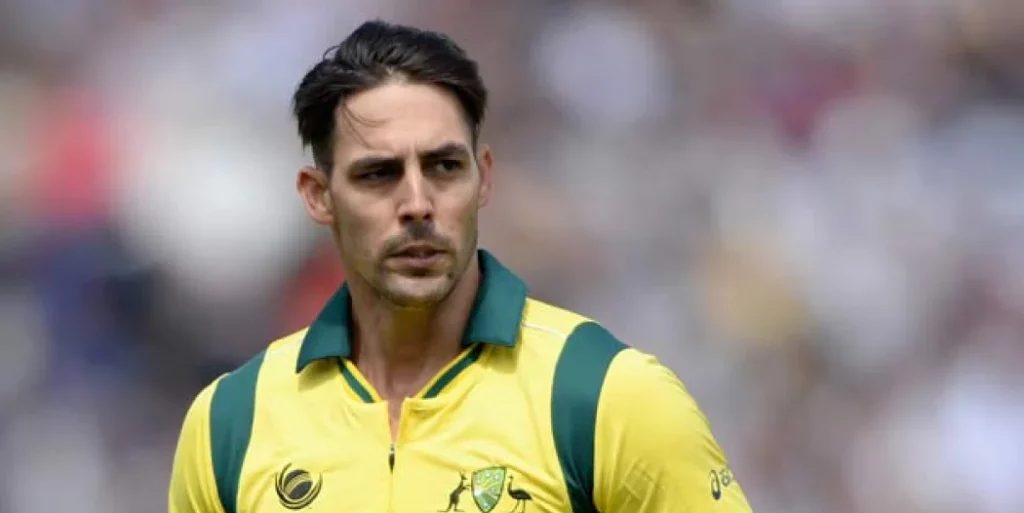
Bowling Speed: 156.8 km/h
Tournament: Ashes Series, 2013
Mitchell Johnson used pace, bounce, and aggression to dominate batsmen. His fast bowling spells could change a match quickly.
Batsmen struggled against his short and fast deliveries. His peak performances remain memorable in cricket history.
Are Current Bowlers Capable of Breaking Speed Records?
Modern fast bowlers are fitter and stronger than before. Better training, diet, and sports science help them bowl fast more consistently, giving them a chance to challenge old speed records.
However, breaking extreme speed records is still difficult. With Ball-Tracking Technology closely measuring speed and accuracy, bowlers also focus on control and safety.
Key Points
- Modern training helps bowlers bowl faster and longer
- Fitness and technology give today’s bowlers an advantage
- Injury risk and workload management are major challenges
- Breaking old speed records is possible, but not easy
Conclusion
Fast bowling has played a big role in the history of cricket. From fast bouncers to record-breaking speeds, the Fastest Bowlers have always brought excitement and energy to the game.
Modern training and fitness help bowlers bowl faster and for longer periods. However, the basics are still important, as bowlers must understand the Cricket Pitch to use their skills effectively.
These eight players showed that pace can control a match when used in the right way. Their records may be broken in the future, but their impact on fast bowling will always be remembered.