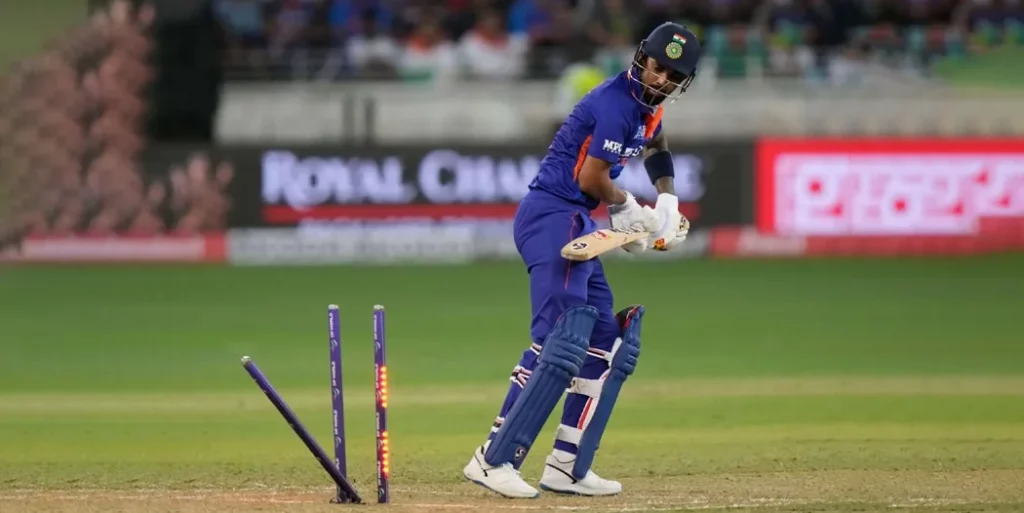
Cricket is more than just runs, wickets, and boundaries. It also has many unique and interesting terms that can be confusing, especially for new fans. One such term is duck in cricket, and it is something every batter wants to avoid.
When people first hear that a player “got a duck,” it may sound funny or harmless, but for the batsman, it is one of the most disappointing moments in the game.
A duck happens when a player gets out without scoring even a single run. But not all ducks are the same. Over the years, cricket experts and commentators have identified different types of ducks based on how and when a batsman is dismissed. These types help fans better understand match situations and make cricket analysis more interesting.
In this guide, we explain the 9 different types of duck in cricket, their meanings, real match examples, and players with the most ducks, including ducks in IPL. Whether you’re new to cricket or a long-time fan, this article will help you understand this common cricket term easily.
What Is a Duck in Cricket?
A duck in cricket happens when a batsman gets out without scoring any runs in an innings. On the scorecard, it is shown as 0, 0(1), or 0(0), based on how many balls the player faced. It does not matter how the player is dismissed. Whether the batsman is bowled, caught, LBW, stumped, or run out, it is still counted as a duck as long as the score is zero.
For example:
0(1) means the batsman was dismissed on the first ball faced
0(0) means the batsman was out without facing a legal delivery
0 means the batsman faced several balls but did not score any runs
Understanding a duck in cricket is important because it shows how a batsman performed and how the match situation changed. Even a single duck can affect team momentum, especially in fast formats like ODIs, T20 matches, and the IPL.
Why Is It Called a Duck in Cricket?
The word “duck” comes from the old phrase “duck’s egg.” In early cricket, people noticed that the number zero looks like the shape of an egg. Because of this, a score of zero was called a duck’s egg. Over time, the phrase was shortened, and people started using just the word “duck.”
The term was first used in 1866, when a newspaper wrote that the Prince of Wales was dismissed for zero and “retired to the pavilion on a duck’s egg.” Since then, the word duck has become very common in cricket.
You often hear it in match commentary, analysis, and fantasy cricket. Knowing the duck meaning in cricket helps fans better understand batting scores and player performances.
9 Different Types of Duck in Cricket
To explain these situations clearly, cricket uses different names for different types of ducks. These terms help fans, commentators, and analysts understand how and when a batter was dismissed for zero runs.
1. Golden Duck
A golden duck happens when a batter gets out on the very first ball they face without scoring any runs. The batter faces only one delivery before being dismissed.
This type of dismissal can happen to any batter and is recorded in all formats of cricket, including Tests, ODIs, and T20 matches.
A golden duck is considered one of the worst outcomes for a batter because there is no time to settle at the crease. In short formats like T20 cricket, golden duck cricket is especially harmful as every ball is important and early wickets can quickly change the momentum of the match.
2. Silver Duck
A silver duck happens when a batter gets out on the second ball they face without scoring any runs.
In this case, the batter faces two deliveries and is dismissed while their score remains zero. This type of duck can happen to any player, no matter where they bat in the order.
While it is not as embarrassing as getting out on the first ball, a silver duck still means the batter had very little time at the crease. The term is mostly used in statistics and written analysis rather than during live match commentary.
3. Bronze Duck
A bronze duck happens when a batter gets out for zero runs after facing three balls.
This type of duck can apply to any batter, no matter where they bat in the order.
It is used to describe an early dismissal that lasts slightly longer than a golden or silver duck, but still ends without scoring. This helps separate very quick dismissals from regular ducks where a batter spends more time at the crease.
4. Diamond Duck
A diamond duck happens when a batter is dismissed without facing any legal delivery. In this case, the batter’s score remains zero and the scorecard shows 0 balls faced.
This usually occurs when a player is run out at the non-striker’s end or gets stumped off a wide ball before facing a legal delivery. Since the batter does not get the chance to play even a single ball, this type of dismissal is extremely rare.
A diamond duck often surprises fans because the batter is out almost immediately after arriving at the crease, making it one of the most unusual and unlucky ways to get dismissed in cricket.
5. Royal Duck
A royal duck happens when an opening batter gets out on the very first ball of the match after facing the delivery. This means the team loses a wicket without scoring a single run on the first ball of the innings.
The batter faces only one ball and is dismissed immediately. This type of duck applies only to opening batters, as they are the first players to start the innings.
A royal duck is considered especially disappointing because opening batters are expected to give the team a solid start. Getting out on the first ball puts instant pressure on the rest of the batting lineup and gives the bowling team an early advantage.
6. Laughing Duck
A laughing duck happens when the last batter of an innings gets out without scoring any runs. It does not matter how many balls the batter faced. As long as the final wicket falls on a score of zero, it is called a laughing duck.
This type of duck usually involves the number 11 batter, who is often not a specialist batsman. The term became popular because television broadcasts used animated duck graphics when the last wicket fell for zero, making the dismissal look humorous.
Even though the name sounds funny, a laughing duck usually means the innings has ended suddenly, sometimes cutting short a possible recovery or partnership.
7. Titanium Duck
A titanium duck is a very rare type of duck in cricket. It happens when an opening batter gets out on the very first ball of the innings without facing any legal delivery.
Because it requires such a specific situation, it is seen only a few times in international cricket.
Titanium ducks are unusual and memorable, showing how unpredictable cricket can be. They remind us that even the best players can sometimes get out without scoring a single run.
8. Regular Duck
A regular duck is the most common type of duck in cricket. It occurs when a batter faces four or more balls but fails to score any runs before getting out. Any player, regardless of position, can get a regular duck.
This type of duck usually happens when the bowler performs exceptionally well, the fielding side applies pressure, or the batter struggles to find a scoring shot.
Unlike golden or diamond ducks, it reflects a longer stay at the crease without making any runs.
9. Golden Pair
A golden pair occurs only in multi-innings matches, such as Test cricket. It happens when a batter is dismissed for a golden duck in both innings of the same match, meaning they score zero runs in each innings.
This is considered one of the worst possible performances for a batter and is extremely rare at the international level. Even experienced and legendary players can sometimes experience it.
A golden pair not only affects the player’s confidence but also often becomes a memorable moment in cricket history, highlighting the unpredictability and challenge of the game.
Players With the Most Ducks in All Formats
Tracking ducks helps analysts and fans understand batting consistency. Even legendary players have their share of ducks.
| Player | Matches | Ducks | Notes |
| Muttiah Muralitharan (SL) | 495 | 59 | Bowling legend with limited batting success |
| Courtney Walsh (WI) | 337 | 54 | Famous for bowling, struggled with bat |
| Sanath Jayasuriya (SL) | 586 | 53 | Aggressive opener with several ducks |
| Glenn McGrath (AUS) | 376 | 49 | Specialist bowler |
| Stuart Broad (ENG) | 344 | 49 | All-rounder |
These statistics highlight that ducks are a natural part of cricket and not necessarily a reflection of a player’s overall quality. Equipment evolution, rule changes, and even factors like the IPL Cricket Ball Price indirectly influence modern batting dynamics and dismissal patterns.
Conclusion
A duck might seem like a small moment in a cricket match, but it can have a big impact. It can change the momentum of the game and affect a player’s confidence. Knowing the different types of ducks, such as a golden duck, a diamond duck, or a golden pair, helps you understand the game better and enjoy it more.
Cricket is unpredictable, and even the best batters can get out without scoring.Every ball matters, and by learning what each type of cricket duck means, you don’t just see a score, you understand the story behind it. Even with changes in teams, sponsorships, and developments like the New Sponsor of Indian Cricket Team, the importance of understanding game nuances like ducks remains the same.