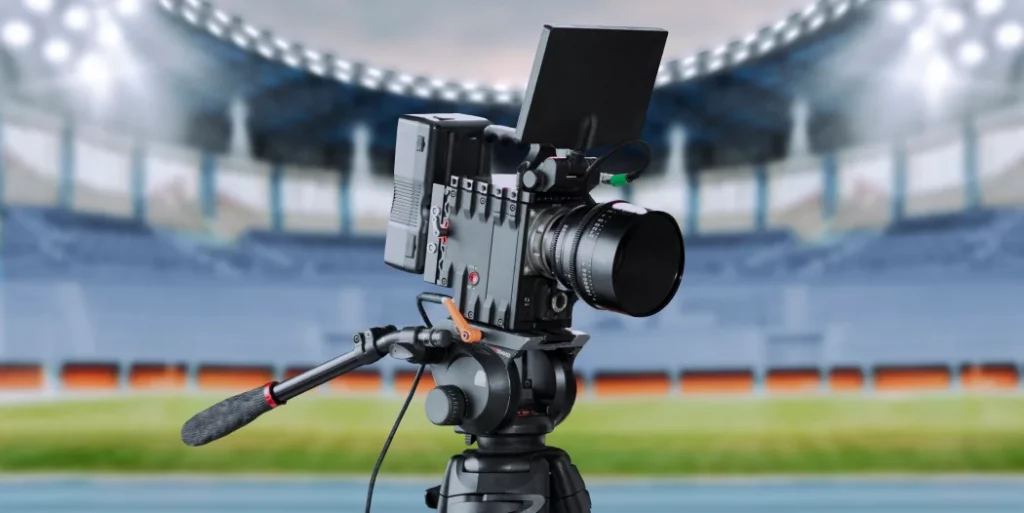
Cricket is one of the most watched sports in the world and every match you see on screen is powered by advanced technology. The stunning visuals, slow-motion replays and close-up shots all come down to the professional camera used in cricket.
Each format of the game has its own broadcast demands. In different types of cricket matches like a five-day Test or a fast-paced T20, the number of camera positions and their specifications change to match the pace and nature of the game.
These cameras help fans see every angle of the game in real time. Whether it is a slow-motion replay or a wide aerial view of the stadium, each camera used in cricket is placed with a purpose to deliver the best possible coverage.
In this blog we will cover the top 10 cameras used in professional cricket broadcasting and how much they cost.
Which Cameras Are Used in Cricket Broadcasting?
Cricket matches are covered using more than 30 cameras at major venues. The International Cricket Council (ICC) and BCCI have set strict broadcast standards for top-level matches including Test cricket and the IPL.
The broadcasting camera setup in cricket includes everything from high-speed cameras to drone cameras. Each type of camera used in cricket is placed at a specific location around the ground to capture different angles and moments.
Broadcasters like Star Sports, Sony Sports and Sky Sports invest heavily in camera equipment to deliver a world-class viewing experience to fans.
Top 10 Types of Cameras Used in Cricket Matches and Their Cost
1. Spidercam (₹5 to 10 Crore)
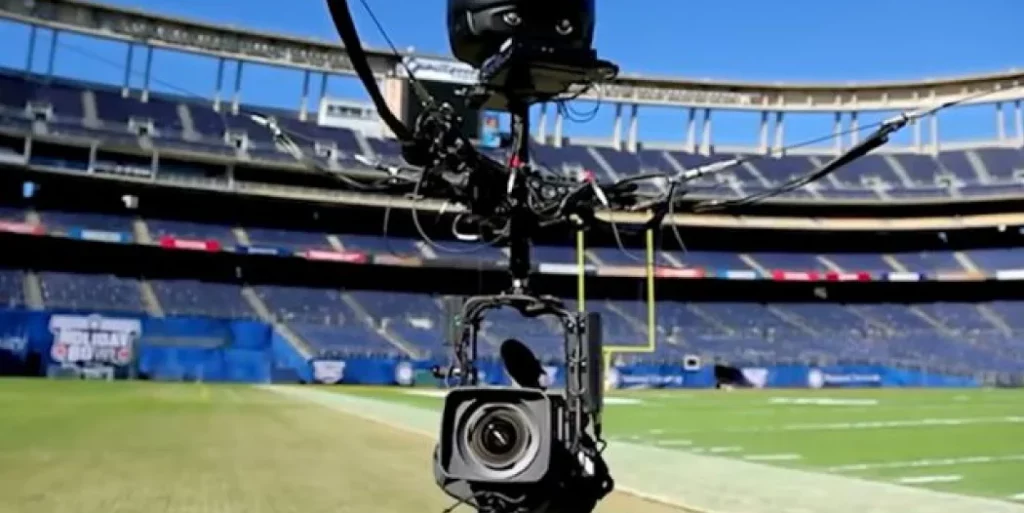
The spider cam cricket is the most iconic camera in cricket broadcasting. It hangs from cables above the stadium and moves freely to capture stunning aerial and close-up shots during live matches.
The spider camera price ranges from ₹5 crore to ₹10 crore including the cable rig, control unit and camera body. It gives broadcasters unique overhead views that no ground-level camera can deliver.
2. High-Speed Cameras (₹1 to 2 Crore)
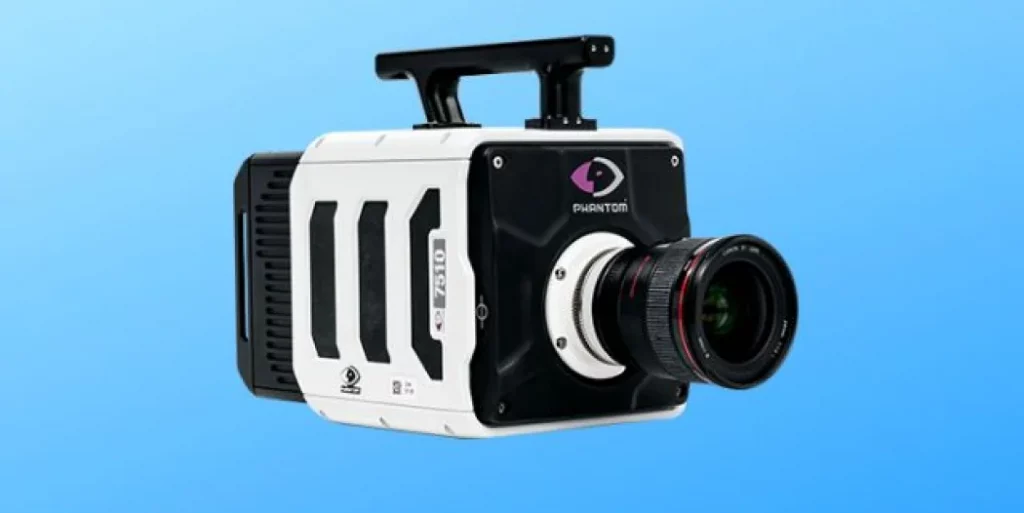
High-speed cameras record footage at over 1000 frames per second and are responsible for the slow-motion replays you see of a batsman’s shot or a bowler’s delivery action on screen.
Each camera used in cricket for high-speed replay costs between ₹1 crore and ₹2 crore. Broadcasters place them at both ends of the pitch to capture the sharpest slow-motion angles possible.
3. Boundary Cameras (Approx. ₹2 Crore)
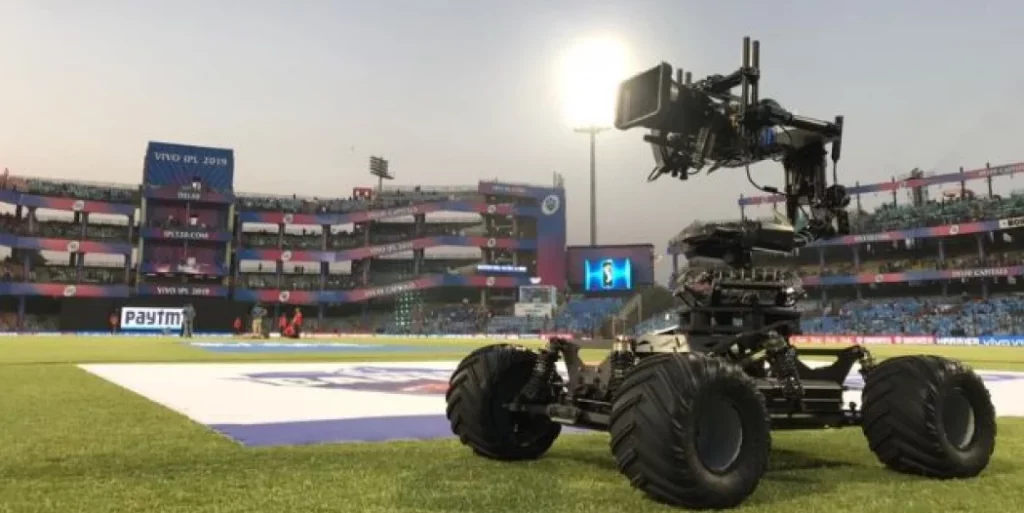
Boundary cameras are installed all around the rope at the edge of the field. They cover close-up shots of fielding efforts, run-outs, boundary decisions and catches near the rope in real time.
A complete set of boundary camera used in cricket costs approximately ₹2 crore. They remain active throughout the match and continuously feed live footage to the broadcast production team.
4. Ultra HD (UHD) Cameras (Approx. ₹1 Crore)
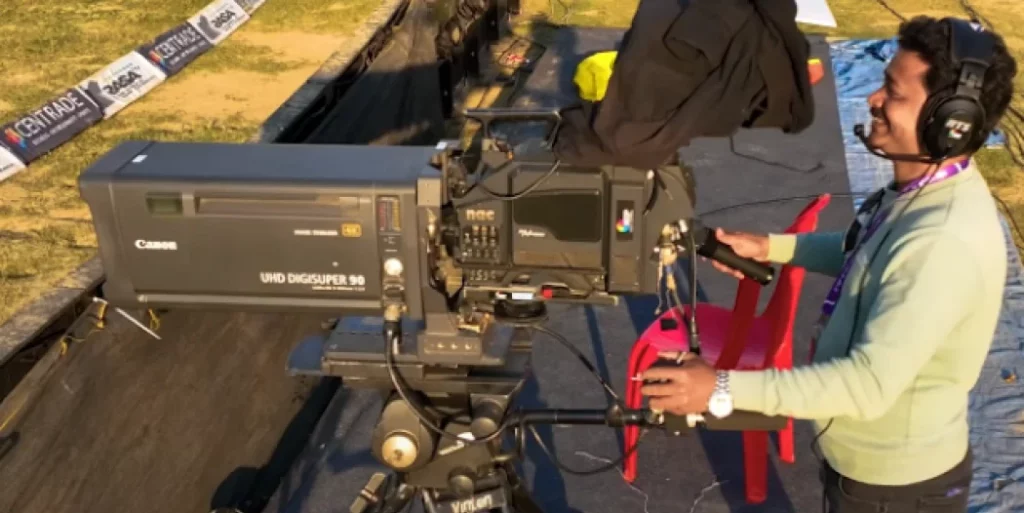
Ultra HD cameras capture footage in 4K resolution and deliver exceptional picture clarity for fans watching on large screens or 4K televisions at home, making every on-field detail clearly visible.
Each UHD camera used in cricket costs approximately ₹1 crore per unit. These cameras are now the broadcast standard for all major international and domestic cricket tournaments around the world.
5. Standard Broadcast Cameras (₹50 to 80 Lakh)
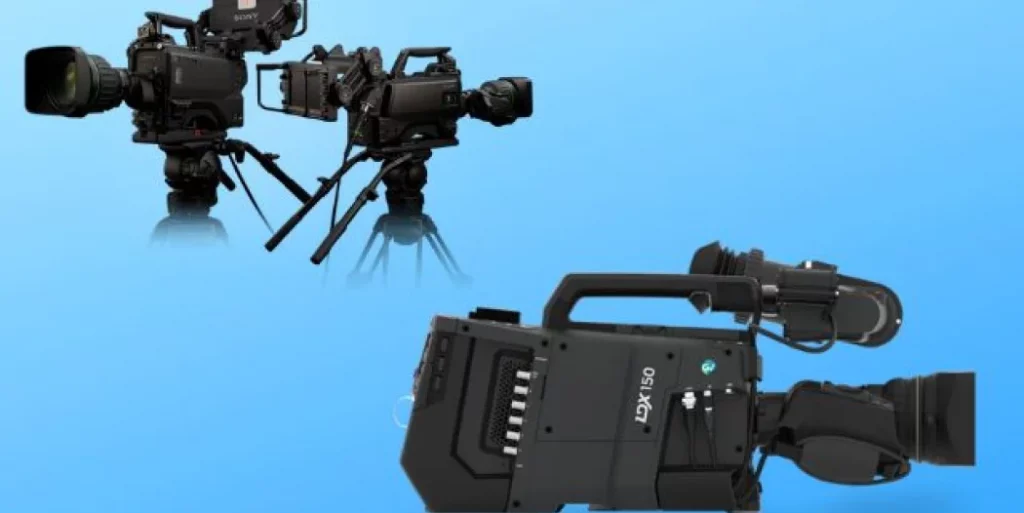
Standard broadcast cameras form the backbone of every cricket telecast. Cameramen operate them from fixed platforms around the stadium to track the ball, players and key moments throughout the match.
The cost of a standard broadcasting camera used in cricket ranges from ₹50 lakh to ₹80 lakh per unit. A single match production typically deploys between 8 and 12 of these cameras across the venue.
6. Pitchside Cameras (₹10 to 30 Lakh Per Unit)
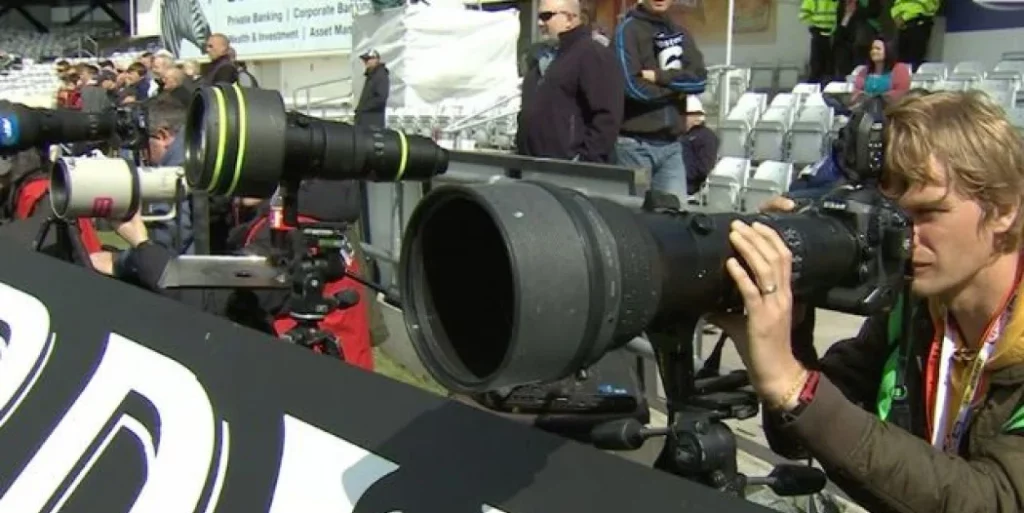
Pitchside cameras sit at ground level close to the pitch and capture low-angle shots of deliveries. They are critical for LBW in Cricket reviews as they show the exact angle of ball impact on the batsman’s pad.
Each pitchside camera used in cricket costs between ₹10 lakh and ₹30 lakh. They show how much the ball swings, seams or spins off the surface and are essential for displaying batting footwork and seam movement to viewers.
7. Referee and Third Umpire Cameras (₹10 to 25 Lakh)
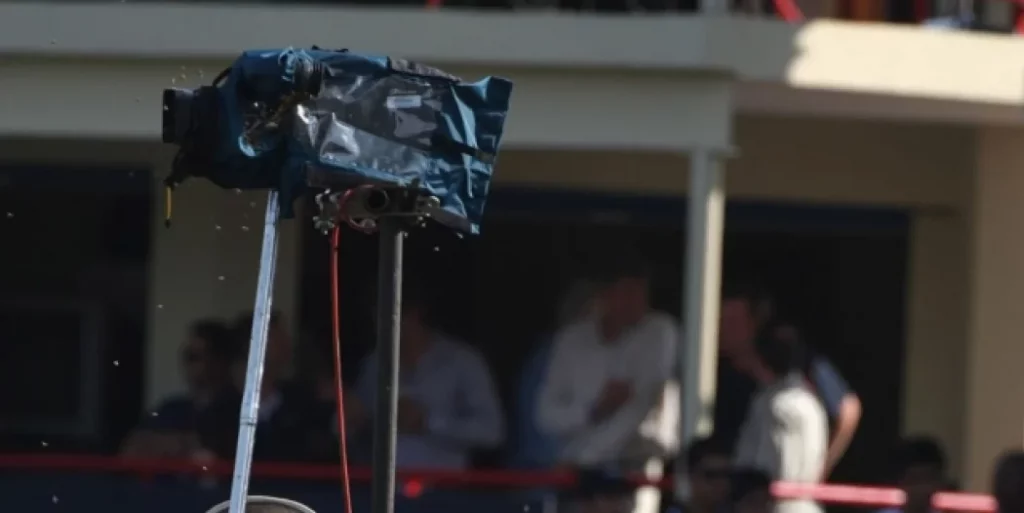
Third umpire cameras feed high-clarity footage directly to match officials for reviewing close calls. They cover run-outs, stumpings, caught-behind decisions and any other on-field incident requiring an accurate video review.
Each unit costs between ₹10 lakh and ₹25 lakh. These cameras are synced with DRS technology and must deliver frame-perfect footage because match results depend directly on what they record.
8. Helicam or Drone Cameras (₹5 to 20 Lakh)
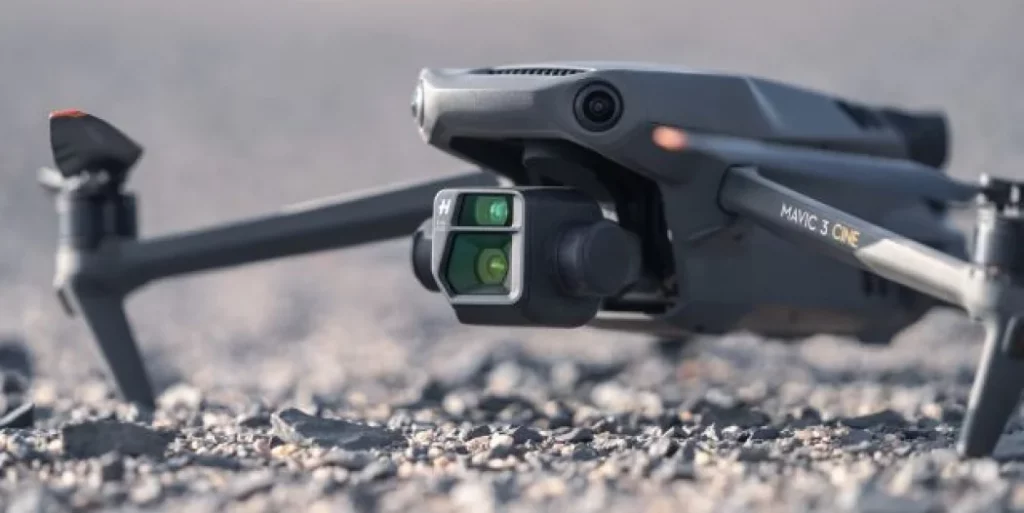
Drone cameras capture wide aerial footage of the stadium, crowd and surroundings before and during a match. They give viewers a bird’s-eye perspective that creates a grand visual feel for big cricket events.
A drone camera setup for cricket costs between ₹5 lakh and ₹20 lakh. These cameras are widely used during broadcast openings and for capturing dramatic moments like sixes clearing the boundary rope.
9. Stump Cameras (₹2 to 5 Lakh)
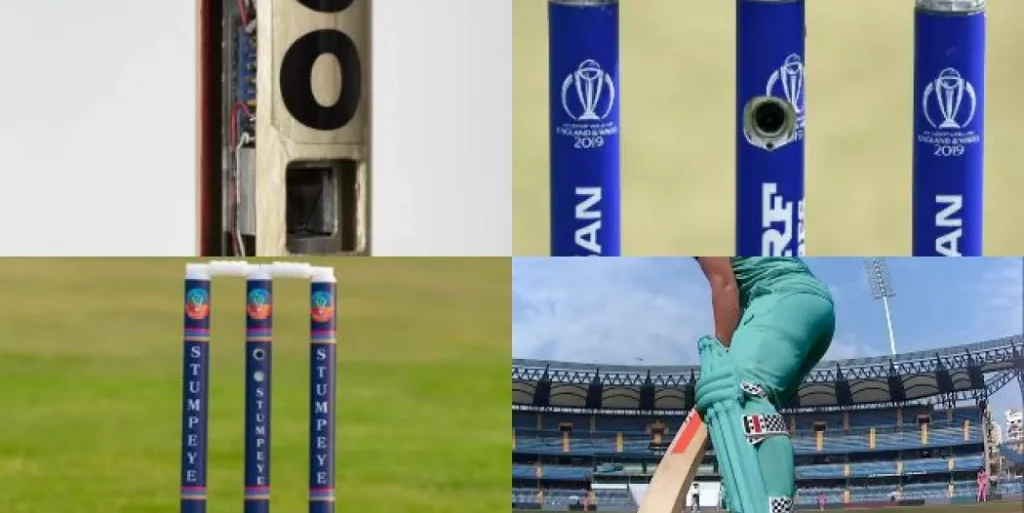
The cricket stump camera is fitted inside the stumps and captures a unique close-up view of the ball travelling towards the batter. It is one of the most exciting camera innovations in cricket broadcasting today.
A cricket stump camera unit costs between ₹2 lakh and ₹5 lakh. The IPL LED stumps combine this camera technology with built-in lighting to make every dismissal visually dramatic for viewers.
10. Helmet Cameras (₹1 to 3 Lakh)
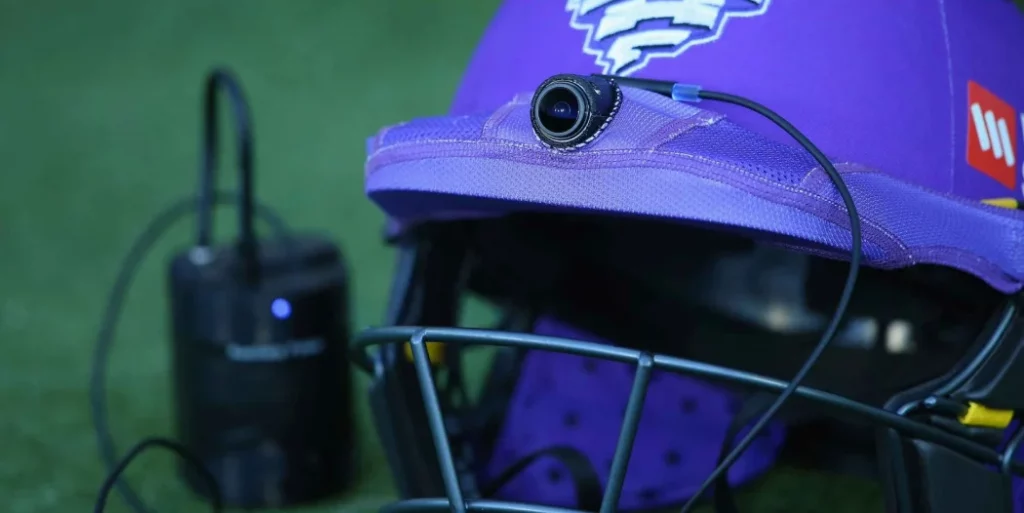
Helmet cameras are compact cameras fixed onto player helmets to capture a first-person view of the game. They give fans a unique perspective of what a batsman or fielder actually sees during live match situations.
Each helmet camera costs between ₹1 lakh and ₹3 lakh. They are used mainly for special broadcast segments and behind-the-scenes content during high-profile cricket tournaments across the world.
Why are High-End Cameras Important in Cricket?
The quality of cameras used in cricket directly affects how fans experience the game. Here is why high-end cameras matter so much in modern cricket broadcasting.
Better Decision Making: Cameras like high-speed and third umpire cameras give match officials clear evidence to make accurate decisions. This reduces errors and makes the game fairer.
Fan Engagement: Unique angles from spider cam cricket, stump cameras and drone cameras keep fans entertained and engaged throughout the match. Every boundary, wicket and six becomes a memorable visual moment.
Technology Integration: Advanced cameras support modern cricket technologies like Hawk-Eye, UltraEdge and DRS. They also power ball-tracking technology that helps officials track the exact path of every delivery in real time.
Global Broadcast Standards: ICC and BCCI require all host broadcasters to meet specific camera standards for international matches. This ensures fans worldwide get a consistent and high-quality viewing experience no matter where they watch from.
Conclusion
Cricket broadcasting relies on a wide range of professional cameras, each serving a specific purpose. From the spider cam cricket to the cricket stump camera inside the wickets, every camera used in cricket transforms the viewing experience.
The cost of these cameras ranges from just a few lakhs to over ₹10 crore for a single unit. Broadcasters and boards invest heavily in this technology because great visuals make cricket more exciting for billions of fans around the world.
The IPL 2026 schedule is set to feature some of the most advanced camera setups ever deployed in cricket. As broadcast technology continues to evolve, every match will only get more visually spectacular for fans at home and in the stadium.