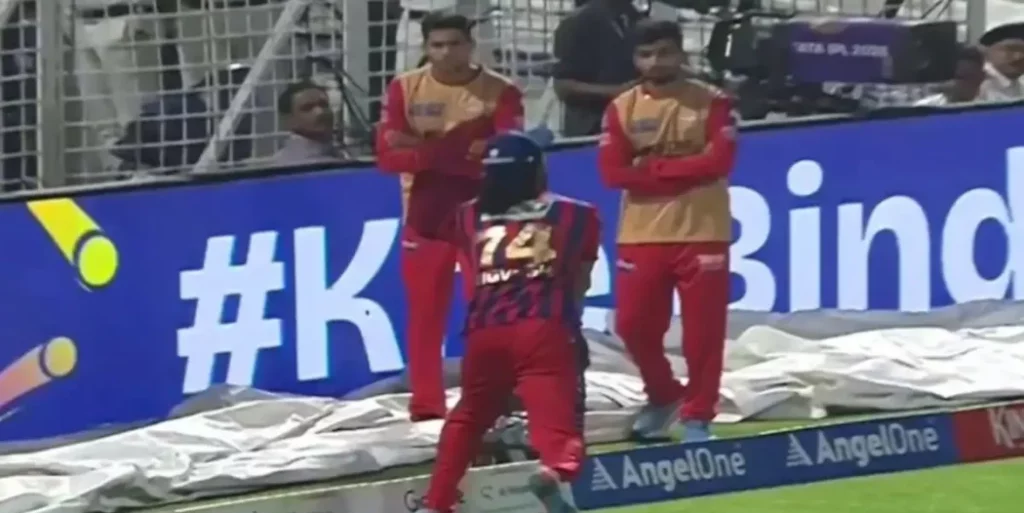
The controversy surrounding Finn Allen’s dismissal during the IPL clash against Lucknow Super Giants has once again brought umpiring standards into the spotlight. The incident, involving a sharp catch claimed by Digvesh Rathi, has sparked widespread debate among fans, analysts, and former cricketers.
At the heart of the issue lies the third umpire’s decision to uphold the on-field call despite replays that appeared inconclusive. While the soft signal favored the fielding side, multiple camera angles failed to provide definitive evidence of a clean catch.
In such situations, the benefit of doubt typically remains with the original decision, but the lack of clarity has led many to question whether the review process is robust enough.
From a technical standpoint, the laws of cricket emphasize “conclusive evidence” to overturn a decision. However, this case highlights a recurring problem in modern cricket: the limitations of broadcast technology.
Frame rates, camera angles, and grass interference often make it difficult to determine whether the ball was carried cleanly. This gray area leaves room for subjective interpretation, which can influence match outcomes.
The reaction on social media has been intense, with many fans criticizing the umpires for inconsistency. Others, however, have defended the decision, arguing that the third umpire followed protocol by sticking with the on-field call in the absence of clear proof.
This divide reflects a broader concern about transparency and communication in decision-making during high-stakes tournaments like the IPL 2026.
For teams like Lucknow Super Giants, such moments can significantly impact momentum and match results. A key dismissal early in the innings can shift the balance, making accuracy in officiating even more critical.
As the IPL continues to grow in global viewership, the pressure on umpires to deliver flawless decisions will only increase.
Ultimately, this incident serves as a reminder that while technology has enhanced decision-making, it is not infallible.
There is a growing need for improved tools, clearer protocols, and better communication to maintain the integrity of the game. Until then, controversies like this will remain an inevitable part of cricket’s evolving landscape.