Cricket has many ways a batter can get out and LBW in cricket is one of the most talked about among all of them. It is a decision that can change the entire course of a match in just a single delivery.
Whether you are a new fan or a regular cricket watcher you have likely seen umpires give LBW after the ball hits the pad and with the help of Ball-Tracking Technology the decisions have become much clearer and easier for everyone.
The LBW in cricket rule sounds simple on the surface but it actually involves multiple conditions that must all be satisfied at the same time. Missing even one condition means the batter is not out.
In this guide we will walk you through everything about LBW in cricket including its meaning, the exact rules, when it is given and how technology is now helping umpires make the right call every time.
What is LBW in Cricket?
LBW in Cricket stands for Leg Before Wicket. It means the batter’s body blocks a ball that would have gone on to hit the stumps and the umpire can give the batter out in that situation.
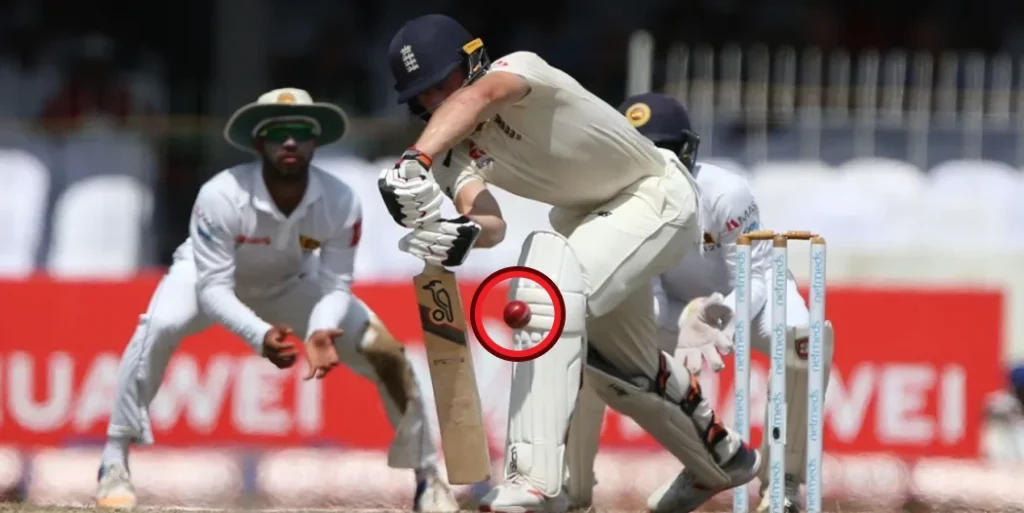
LBW meaning in cricket is simple to understand when you see it in a match. If the ball hits the pad instead of the bat and is judged to be hitting the stumps the batter can be given LBW out.
Many people think LBW meaning in cricket only applies to the leg but that is not true. The ball can hit any part of the body like the thigh, chest or even the hand if it is not holding the bat and the batter can still be given out.
LBW Rules in Cricket
The LBW rule has a few conditions that must all be met for a batter to be given out. Knowing the leg before wicket rules well will help you follow every LBW in Cricket decision with confidence.
Ball Must Pitch in Line
The ball must pitch either in line with the stumps or on the off side. If it pitches outside leg stump the batter cannot be given out LBW under any condition as per leg before wicket rules.
Impact Should Be in Line
The ball must make contact with the batter’s body in line with the stumps. If the impact is outside off stump the batter can still be given out only if no shot is played in that LBW in Cricket situations.
Ball Would Hit the Stumps
This is the most important part of any LBW in Cricket. The umpire must be sure the ball would have hit the stumps. In death overs bowlers aim straight at the stumps and the batter’s body should not be blocking it.
No Bat Involved
If the ball hits the bat first and then the pad LBW cannot be given. This is why batters try to get an inside edge before the ball reaches the pad to avoid an LBW out.
Role of Umpire Judgment
Even when all conditions are met the final decision depends on the umpire’s judgment. The umpire watches the line of the ball and the point of impact before making the final call in real time.
When is LBW Given and When is LBW NOT Given?
Understanding when LBW out is possible and when it is not will make watching cricket much more enjoyable. The rules around leg before wicket in cricket are very specific and every condition must be met.
LBW IS Given When:
- Ball pitches in line or outside off stump
- Ball hits the body in line with the stumps
- Ball would have hit the stumps
- Ball does not touch the bat first
LBW is NOT Given When:
- Ball pitches outside leg stump
- Impact is outside leg stump
- Ball hits the bat before the pad
- Batter plays a shot and impact is outside off stump
During a bowling hat trick attempt bowlers target the stumps to trap the batter for LBW out. This is a very common strategy when a bowler is close to taking three wickets in a row.
leg before wicket in cricket is also more common against spin bowlers because the ball can turn sharply into the batter’s pads from a good length.
Umpires vs Technology: How LBW Decisions Works
LBW decisions were always tricky for on-field umpires. With the introduction of DRS in Cricket things have changed a lot as it can now predict the path of the ball and show whether it would have hit the stumps or not.
When a team disagrees with an LBW in Cricket decision they can ask for a review using the Decision Review System. Here is how the review process works for an LBW call:
Step 1 – Umpire’s Call Check: DRS first checks if the ball hit the bat before the pad using Snickometer or Ultra-Edge technology to confirm there is no edge involved.
Step 2 – Pitch Map: The system shows exactly where the ball landed on the pitch and confirms whether it pitched in line or outside leg stump for the LBW decision.
Step 3 – Impact Zone: The system checks the point where the ball hit the batter’s body and confirms whether that contact was in line with the stumps or outside.
Step 4 – Wicket Prediction: The system predicts the path of the ball after impact and shows whether it would have hit the stumps or missed them completely.
This is called Umpire’s Call which means if the ball is only just clipping the stumps the original decision stands. Teams get limited reviews so using them wisely can change the match.
Conclusion
LBW in cricket is a rule that requires the ball to pitch in line, impact the body in line and be heading toward the stumps all at once. It sounds complex but once you know the conditions it becomes easy to follow.
A single LBW decision can shift an entire match. Losing a top batter early can hurt a team’s total and even affect their Net Run Rate across a tournament.
Next time you watch a match and the umpire raises that finger you will know exactly what happened and why. Cricket is a game of fine margins and LBW in cricket is one of the best examples of that.