Just days before the start of the 2026 season of the Indian Premier League, the Board of Control for Cricket in India has rolled out a fresh set of strict operational guidelines, tightening rules around training, match-day conduct, and team management.
The updated directives aim to bring more discipline and consistency across all franchises ahead of the new season.
The biggest change is a complete ban on practice sessions and fitness tests on match days. The decision has been taken to protect pitch conditions and ensure fair play for both teams. By limiting activity on the main square, the board wants to maintain uniform playing surfaces throughout the tournament.
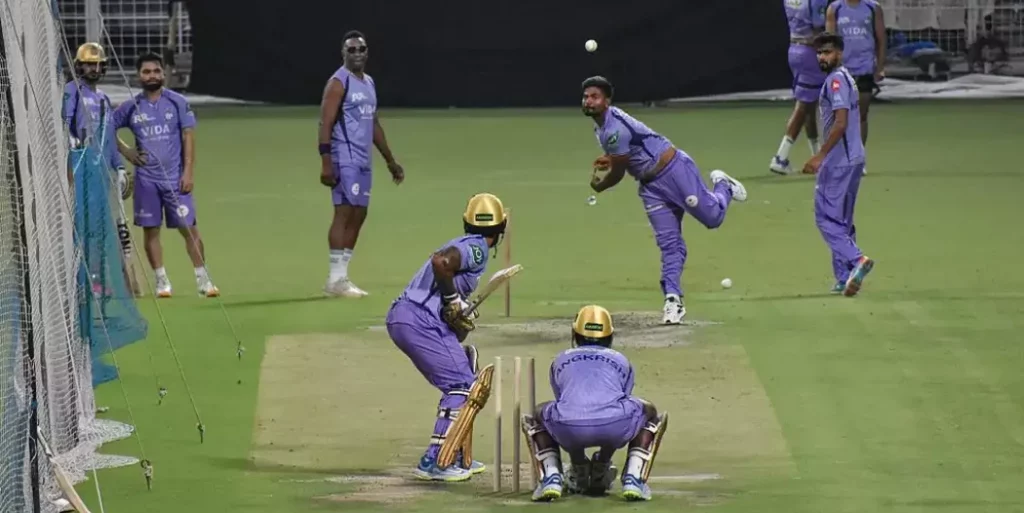
Alongside this, the BCCI has introduced clear restrictions on training sessions. Each team will be allocated two practice nets and one side wicket for range hitting, while open nets are no longer allowed.
Teams are also barred from using practice facilities assigned to their opponents, even if those remain unused. If one side finishes early, the other cannot take over those nets, ensuring equal preparation opportunities.
The new rules also tighten control over player movement and access. Only accredited staff members will be allowed inside dressing rooms and on the field during practice.
Players must travel to training venues using team buses, while family members and friends can only watch sessions from designated hospitality areas. Teams must also submit their extended support staff lists for approval before the tournament.
On match days, stricter conduct guidelines will be enforced. Players are not allowed to wear sleeveless jerseys or floppies during post-match presentations, and repeated violations may result in fines.
The board has also instructed players to avoid hitting balls towards LED boards and to follow broadcast-related requirements, including wearing official caps during key moments.
With the Indian Premier League 2026 season set to begin soon, these new rules highlight the BCCI’s focus on maintaining professionalism, fairness, and operational control. Franchises will now need to quickly adapt to this more structured environment as the league moves toward a stricter, more regulated format.