Cricket is a game where one decision can change the result of a match. In the past, umpires depended only on their eyesight, which sometimes caused controversial decisions.
With the growth of technology, cricket has become more accurate and fair. One of the most important innovations in the game is Ball-Tracking Technology.
This technology helps umpires make correct decisions in close LBW cases, where it is hard to judge with the eyes alone. By integrating ball-tracking into the DRS system, umpires get more confidence while making these important calls.
As a result, decisions in cricket are now more clear and reliable. Players and fans can easily understand why a decision is made, which reduces confusion and arguments.
What Is Ball-Tracking Technology in Cricket?
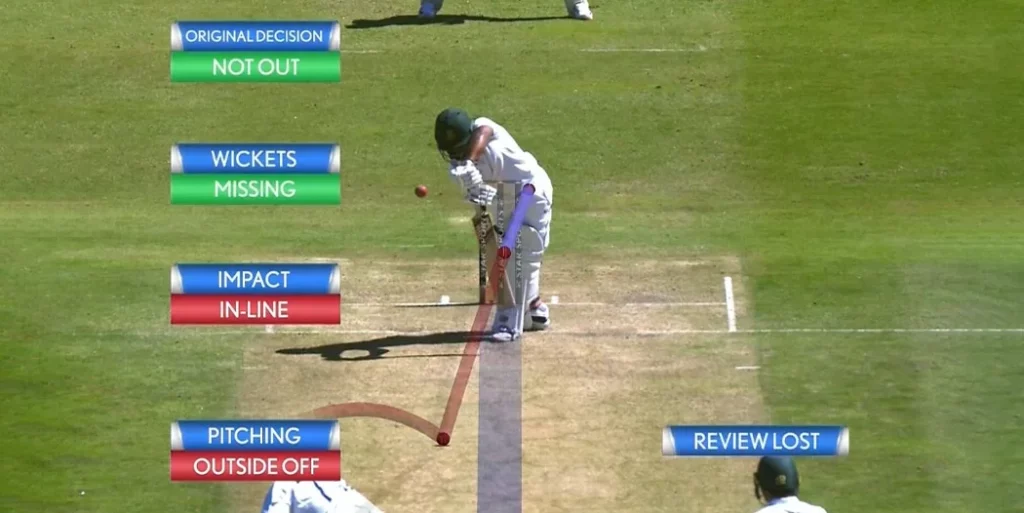
Ball-Tracking Technology is a system that tracks the path of the cricket ball after it is bowled. It shows where the ball pitched, how it moved in the air, where it hit the batter, and whether it would have hit the stumps.
In simple terms, this technology creates a virtual path of the ball. It does not physically follow the ball inside the pad or body. Instead, it uses match data and calculations to predict the future movement of the ball.
The most popular example of this technology is hawk eye cricket, which is widely used in international matches and major tournaments. Today, the ball tracking system in cricket is trusted by umpires, players, and fans around the world.
Ball-tracking technology, mainly through Hawk-Eye, was first used for television coverage in a Test match between England and Pakistan at Lord’s Cricket Ground in London on 21 May 2001.
Why Ball-Tracking Is Important in Modern Cricket
Modern cricket is faster and more competitive than ever. In formats like T20 and pressure situations such as a Super Over, umpires must make quick and accurate decisions.
Ball-tracking is important because:
- It reduces human error in close decisions
- It makes the game more fair and transparent
- It builds trust between players and umpires
- It helps fans understand decisions more clearly
LBW decisions are often hard to judge with eye. Even experienced umpires can make mistakes in such close calls. Ball-tracking gives them extra support and confidence while making decisions.
How Ball-Tracking Technology Works
Ball-tracking technology works in simple and clear steps. It helps umpires understand the exact movement of the ball.
Step 1: Cameras Record the Ball
Several cameras are placed around the ground. When the bowler bowls the ball, these cameras record its movement from different angles.
Step 2: The Ball Is Tracked
The system follows the ball from the bowler’s hand to the batter. It notes important points like where the ball lands and where it hits the pad or bat.
Step 3: Data Is Collected
All the camera information is sent to a computer. The system studies the ball’s speed, direction, and angle.
Step 4: The Ball’s Path Is Predicted
Using this data, the system predicts where the ball would have gone after hitting the pad. This creates a virtual path of the ball.
Step 5: Result Is Shown on Screen
A clear animation is shown on the screen. This helps umpires and fans see if the ball would have hit the stumps.
Role of Ball-Tracking in LBW Decisions
One of the most common uses of ball-tracking is in LBW decisions. LBW decision ball tracking helps determine three key things:
- Where the ball pitched
- Where it hit the batter
- Whether it would have hit the stumps
During a review, ball-tracking is shown after checking for bat contact. It also considers how the ball behaves after pitching on the Cricket Pitch. If the ball meets all LBW conditions, the decision can be overturned.
An important concept here is “Umpire’s Call.” If the prediction shows that the ball is only clipping the stumps, the original on-field decision stays. This rule exists because ball-tracking is predictive, not 100% exact.
Ball-Tracking vs Other Cricket Technologies
| Technology | Main Use | Helps With |
| Ball-Tracking Technology | Predicts the ball’s path | LBW decisions |
| UltraEdge | Detects bat or pad contact | Edge confirmation |
| Hot Spot | Shows contact point | Bat and ball contact |
| Front Foot No-Ball Tech | Checks bowler’s foot | No-ball decisions |
In simple words:
Ball-tracking shows where the ball would go, while other technologies help confirm contact or rule violations. Together, they make decisions more accurately and fairly.
Advantages and Disadvantages of Ball Tracking
Ball-tracking technology has many benefits, but it also has some limitations. Understanding both helps fans see how this system supports the game without fully replacing human judgment.
Advantages of Ball Tracking
Ball tracking helps umpires make more accurate decisions, especially in close LBW cases. Clear and fair decisions also protect important moments and records in cricket, which depend on correct umpiring calls.
Key Points (Advantages):
- Reduces human error in close decisions
- Makes the game more transparent
- Helps fans understand decisions easily
Disadvantages of Ball Tracking
Ball tracking is based on prediction, not exact results. Because of this, very close calls can still be debated and may not always feel fair to everyone.
Key Points (Disadvantages):
- Prediction-based system, not 100 percent accurate
- Can be affected by swing, spin, and pitch conditions
- Still depends on umpire’s call in close cases
Conclusion
Ball-Tracking Technology has changed the way decisions are made in cricket. It has made the game more fair, clear, and easy to understand for fans. Even though it is not perfect, it helps reduce mistakes and match controversies.
By using multiple cameras and smart software, cricket ball tracking supports umpires in making better decisions. It does not replace the umpire but helps them judge close calls with more confidence.
As cricket continues to grow, technology will become even more important. Whether fans are watching live matches or enjoying cricket movies, knowing how ball-tracking works helps them understand and enjoy the game better.