Cricket has always depended on umpires to make fair decisions on the field. Their role is very important because every decision can change the result of a match. However, cricket is a fast game, and some decisions are very close.
Because of the speed of the game and human limitations, mistakes can sometimes happen. Wrong decisions can affect players, teams, and even fans. To reduce these errors and make decisions more accurate, technology was slowly introduced into cricket.
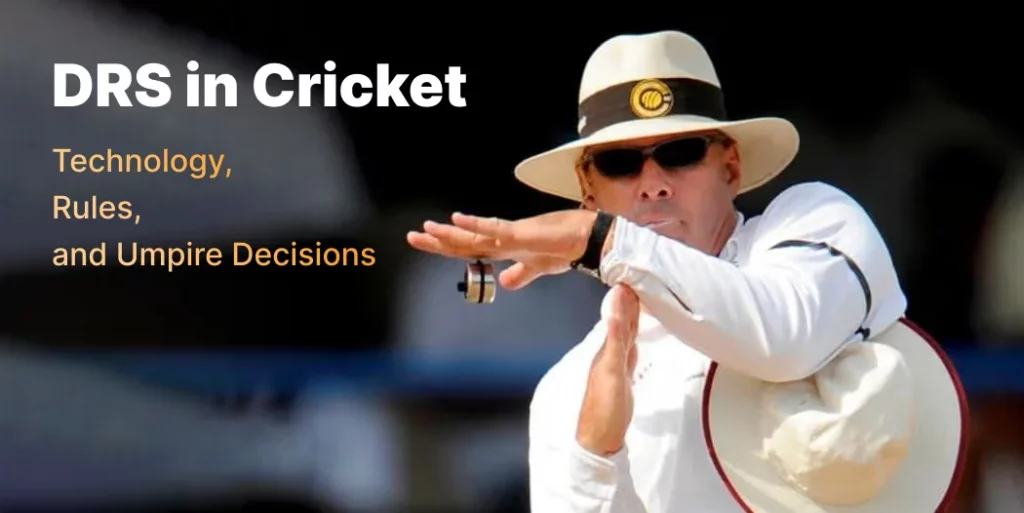
This development led to the introduction of DRS in Cricket, a system created to help umpires and players review important decisions.
DRS plays a major role in modern cricket and has changed the way matches are officiated and understood by fans.
What is DRS in Cricket?
DRS stands for Decision Review System. It is a technology-based system used in cricket to check umpire decisions. This system allows players to ask for a review if they believe the umpire has made a wrong decision.
In simple words, when a player is not happy with an on-field decision, they can request a review. The third umpire then uses different technologies to check the decision and decide whether it should stay the same or be changed.
Why Was DRS Introduced in Cricket?
Before DRS, cricket depended only on the decisions made by on-field umpires. Although umpires are very experienced, mistakes could still happen, and some wrong calls even affected important moments and records in cricket. This was more common in fast situations like LBW decisions or very small edges.
The cricket DRS system was introduced to:
- Reduce wrong decisions
- Improve fairness in the game
- Increase transparency for players and fans
DRS has also helped teams trust umpire decisions more, especially during high-pressure matches and close finishes.
Technology Used in DRS
The success of DRS technology in cricket depends on different tools that help umpires check decisions, especially when match conditions like bounce and movement on the Cricket Pitch can influence close calls.
Hawk-Eye Ball Tracking
Hawk-Eye is mainly used for LBW decisions. It tracks the ball from the bowler to the batsman and shows whether the ball would hit the stumps.
This technology checks:
- Where the ball pitched
- Where the ball hit the batsman
- Whether the ball would hit the wickets
Hawk-Eye is one of the most trusted technologies used in cricket decisions.
UltraEdge / Snickometer
UltraEdge, also known as Snickometer, is used to detect small edges between the bat and the ball. It works by using sound waves and screen graphs.
When the ball passes the bat, UltraEdge checks:
- Any spike in sound
- The exact moment the ball passes the bat
This technology is very useful when edges are too small to see clearly.
Hot Spot
Hot Spot uses infrared cameras to detect heat marks when the ball touches the bat or pad. These marks help umpires confirm contact.
This technology is not used in every match because it is costly, but it adds extra support in edge-related decisions.
DRS Rules in Cricket
Understanding DRS rules in cricket is important for players and fans alike. These rules decide how and when reviews can be taken.
Player Review Window
Players must ask for a review within a short time after the on-field umpire gives a decision. If the player delays, the review request is not accepted.
This rule helps keep the game moving without unnecessary delays. It also forces players to make quick and clear decisions.
Fixed Review Quota
Each team is allowed a limited number of unsuccessful reviews in an innings. The number of reviews depends on the match format being played.
If a team takes a review and it is successful, they do not lose that review, which becomes extremely important in pressure situations like a Super Over.
Umpire’s Call Rule
If the technology does not give a clear result, the on-field umpire’s original decision stays the same. This situation is known as Umpire’s Call.
The rule exists because technology can have a small margin of error. It also ensures that the umpire’s role remains important in the game.
Final Out/Not Out
After checking all available technology, the third umpire gives a final recommendation. This recommendation is based on the review evidence.
The on-field umpire then announces the final out or not out decision. This decision is shown to players and fans on the screen.
Why Umpire’s Call Matters
This helps maintain the authority and confidence of umpires during matches and can even save a batsman from a duck in cricket in very close decisions.
Respects On-Field Decision
Umpire’s Call ensures that the original decision made by the on-field umpire is respected. Technology does not fully override the umpire’s judgment.
This helps maintain the authority and confidence of umpires during matches. It also supports their role on the field.
Allows Margin Error
No technology is completely perfect, and small errors can happen. Umpire’s Call allows a margin of error in ball tracking systems.
This rule accepts that technology predictions may not always be exact. It helps avoid unfair decision changes.
Prevents Constant Reversals
Without Umpire’s Call, many close decisions would be overturned by technology. This could slow down the game.
Frequent reversals could also confuse players and fans. Umpire’s Call keeps decisions stable and clear.
Maintains Game Fairness
Umpire’s Call creates a balance between technology and human judgment. Both are given importance in decision-making.
This balance helps keep the game fair for both teams. It also ensures that no team gains an unfair advantage.
Conclusion
DRS in Cricket has changed how decisions are checked and reviewed during a match. It helps reduce mistakes by using technology along with umpire judgment.
By combining technology and human decision-making, the system has made cricket fairer and more transparent. Players and fans can now better understand how important decisions are made.
Although discussions around Umpire’s Call will continue, DRS is now an important part of modern cricket and helps bowlers get proper recognition for their best spell in ipl.